By. Wilber Tumutegyerize
Kampala, Uganda — At a time when youth unemployment continues to challenge economies across Africa, Makerere University is taking deliberate steps to equip graduates with the mindset, skills, and networks needed to thrive beyond the classroom.
At the College of Veterinary Medicine, Animal Resources and Biosecurity (COVAB), the Department of Livestock and Industrial Resources convened a comprehensive Careers Day for final-year students pursuing the Bachelor of Industrial Livestock and Business (BILB) and Bachelor of Animal Production Technology and Management (BAPTM).
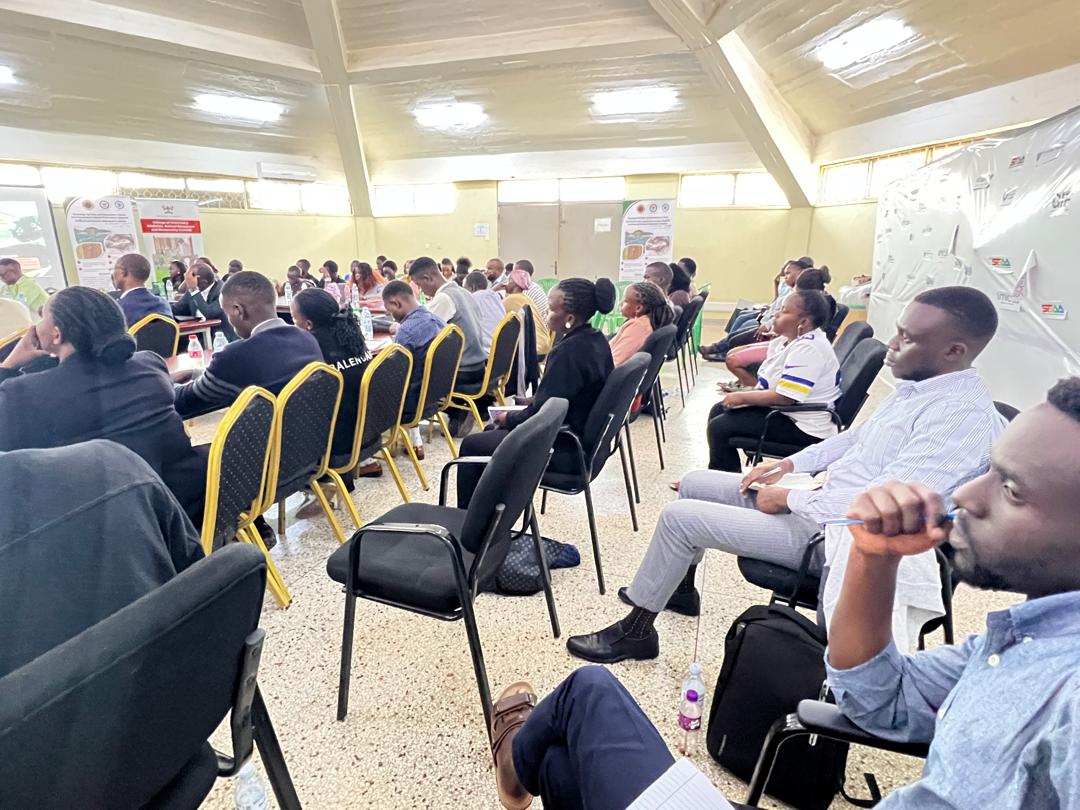
Held under the theme “Bridging Academic Training and Industry Practice: Preparing Livestock Graduates for Professional Excellence and Sector Transformation,” the event brought together a diverse panel of speakers, including academic leaders, government officials, industry practitioners, and human resource experts. Each offered a distinct but interconnected perspective on the transition from university to the world of work.
A Message of Integrity and Self-Discovery
Dr. Dorothy Kalule Nampanzira, Head of the Department of Livestock and Industrial Resources, delivered a deeply reflective address that set the tone for the day.
Her message moved beyond academic success and focused on personal responsibility, identity, and integrity—qualities she described as essential for navigating life after graduation.
“You are now adults, and wherever you go, you carry the name of Makerere University,” she said. “Be true to yourself. You can pretend to everyone else, but do not pretend to yourself.”

Dr. Nampanzira acknowledged the pressures graduates face—from family expectations to societal comparisons amplified by social media—but urged students not to let these define their paths.
“There is a narrative that there are no jobs, that everything is difficult,” she said. “But that will not define you. Even if things do not go as planned, your journey is still valid.”
She encouraged students to embrace resilience, forgive past disappointments, and move forward with confidence. Her closing message emphasized the importance of maintaining a lifelong connection with the university.
“We are still your teachers,” she reminded them. “Even as you go into ministries and workplaces, you can always come back for guidance.”
Connecting Graduates to Opportunity
Dr. Sylvia Baluka followed with remarks that introduced a more structured pathway into employment through the Agricultural Sector Apprenticeship Programme.
She highlighted the importance of practical exposure, noting that lack of experience remains one of the greatest barriers for young graduates.
“This programme is designed to attach fresh graduates to organizations relevant to their training,” she explained. “These are paid placements, and they give you hands-on experience while building your confidence.”
The programme, supported by development partners including the World Bank, targets graduates across institutions and seeks to bridge the gap between education and employment. However, Dr. Baluka pointed out a critical challenge: many opportunities remain underutilized due to limited awareness.
“Last year, there were very few applications despite wide advertisement,” she said. “We realized that many young people simply did not know about these opportunities.”
She urged students not only to apply but also to share information with peers, emphasizing the importance of communication in ensuring equitable access to opportunities.
Rethinking Education and Opportunity
Professor Anthony Mugisha’s session took a philosophical turn, challenging students to rethink their assumptions about education, work, and success.
“I do not bring answers,” he began. “I bring questions.”
Rather than listing career paths, he encouraged students to reflect on their personal growth and capabilities. What could they do now that they could not do before joining university? How had their education changed them?
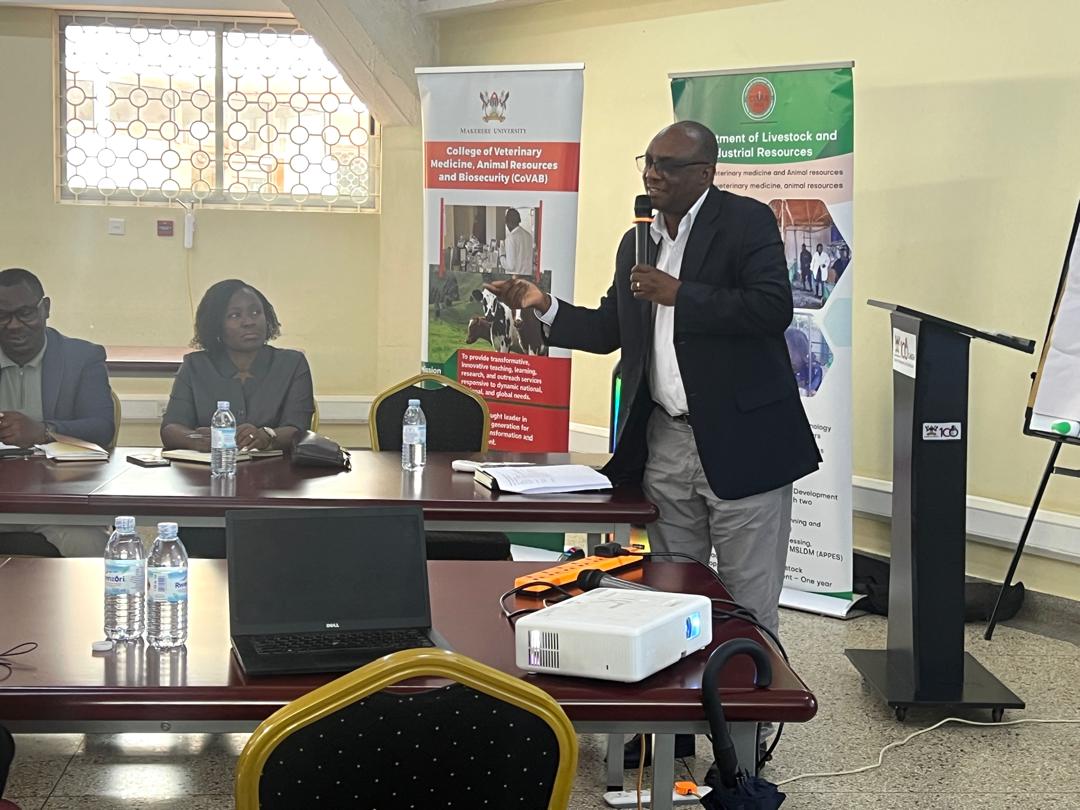
He posed a series of probing questions:
- What is the difference between schooling and education?
- Are you now schooled, or truly educated?
- What is the difference between a job and work?
- After graduation, are you looking for a job or for work?
Professor Mugisha emphasized that education should enable graduates to create value and solve problems, not simply seek employment.
Drawing from student interactions, he illustrated how different academic programmes—such as animal production, livestock business, and veterinary science—should produce graduates with distinct and complementary skills. However, he warned that without clear application, these distinctions lose meaning.
“If we cannot differentiate what each graduate can do, then we lose the purpose of specialization,” he said.
He also stressed the importance of entrepreneurship, noting that the livestock sector offers vast opportunities for those willing to think beyond traditional employment.
“The goal is to produce entrepreneurs—people who see opportunities everywhere,” he added.
From Livestock Keeping to Livestock Business
Expanding on this theme, discussions highlighted a critical shift needed within Uganda’s livestock sector: moving from subsistence practices to commercial enterprise.
Speakers noted that while many Ugandans keep animals, few approach livestock as a business. This limits productivity and economic impact.
“There is a difference between livestock keeping and livestock farming,” one speaker explained. “Farming is about planning, investment, and profit.”
Graduates were encouraged to embrace value addition, customer care, and market orientation—key elements of successful agribusiness.
Government Perspective: Opportunities in Challenges
Mr. William Tibyasa Mwesigye from the Ministry of Gender, Labour and Social Development provided a broader national perspective, linking graduate employability to Uganda’s development agenda.
“The world outside is waiting for problem solvers,” he said. “About 90% of our challenges remain unsolved—and those challenges are your opportunities.”
He highlighted gaps in sectors such as agriculture, where production often fails to translate into market-ready products. Using the example of livestock, he noted that while Uganda has abundant animals, value addition remains limited.
“We see cows, but we do not see meat,” he remarked.
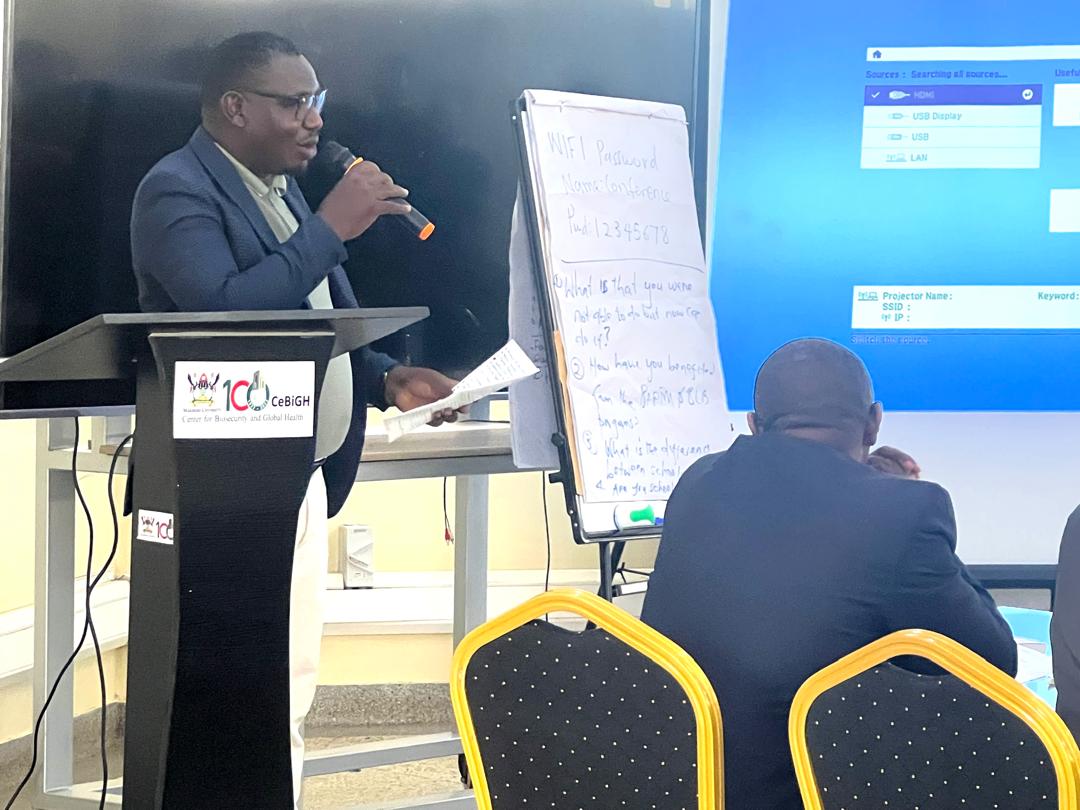
Mr. Mwesigye also emphasized the importance of adaptability, sharing his own experience of earning income from fields unrelated to his formal education.
“Life is about movement and experience,” he said. “Do not limit yourself to what you studied.”
He urged graduates to approach the job market with confidence, initiative, and a willingness to learn, cautioning against passivity.
“Do not enter a workplace and say, ‘I can do anything,’” he advised. “Show what you can contribute.”
Policy, Data, and National Development
Additional remarks provided a data-driven perspective on Uganda’s labour market.
Agriculture, they noted, contribute significantly to GDP and employment but continues to face challenges such as low productivity, post-harvest losses, and climate change impacts.
With over 70% of Uganda’s population under the age of 30, the country faces both an opportunity and a challenge: harnessing its youthful population for economic growth.
Government initiatives such as the National Apprenticeship Programme, Green Jobs Programme, and Innovation Hubs were highlighted as efforts to address skills gaps and promote employment.
“These programmes aim to move graduates from theory to practice,” the speaker said. “Education must translate into real-world impact.”
A Journey of Growth and Opportunity
Isaac Rubagumya, representing the Ministry of Gender, Labour and Social Development, shared a personal story that resonated strongly with students.
From uncertain beginnings as a student to a leadership role in environmental and development programmes, his journey illustrated the transformative power of opportunity and persistence.
“In just over a decade, I moved from not knowing my path to working on impactful national programmes,” he said. “Do not underestimate your beginnings.”
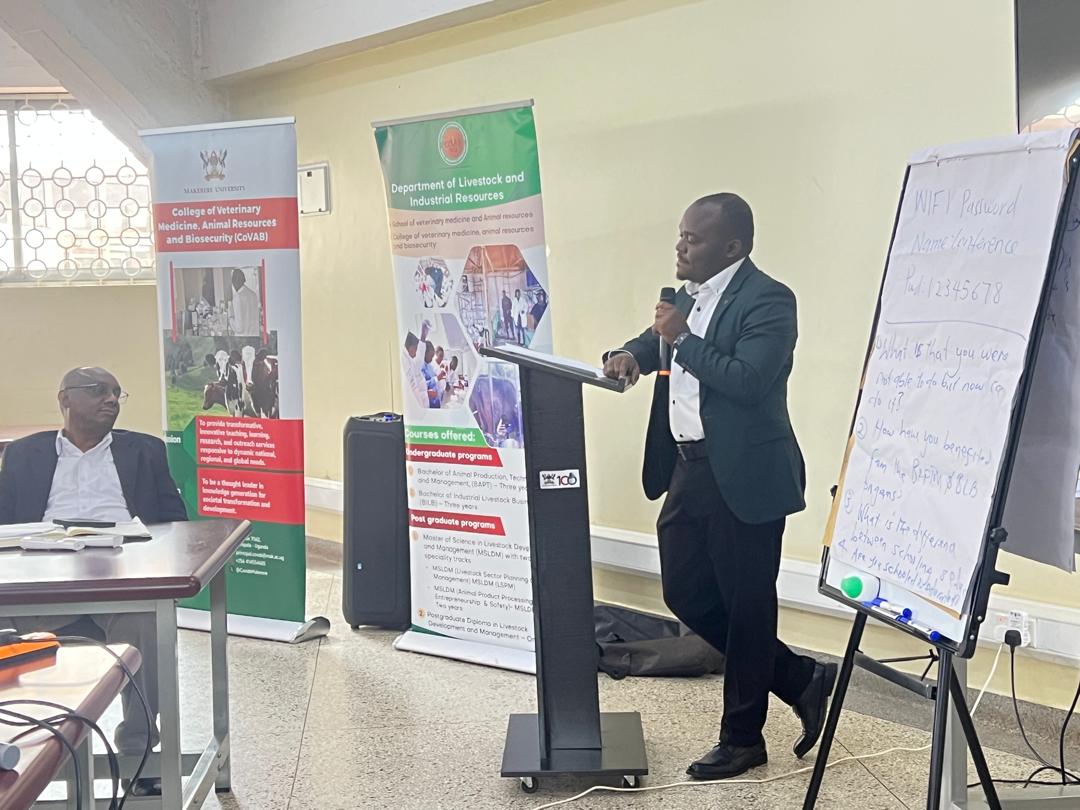
His message reinforced the idea that career paths are rarely linear and that openness to opportunity can lead to unexpected success.
Preparing for the Job Market
Mrs. Namutebi Kimera Sylvia, Senior Human Resource Officer at COVAB, provided practical guidance on navigating the recruitment process.
“Opportunities do not come by chance,” she said. “They require preparation.”
She emphasized the importance of key application documents, particularly the CV, describing it as a personal marketing tool.
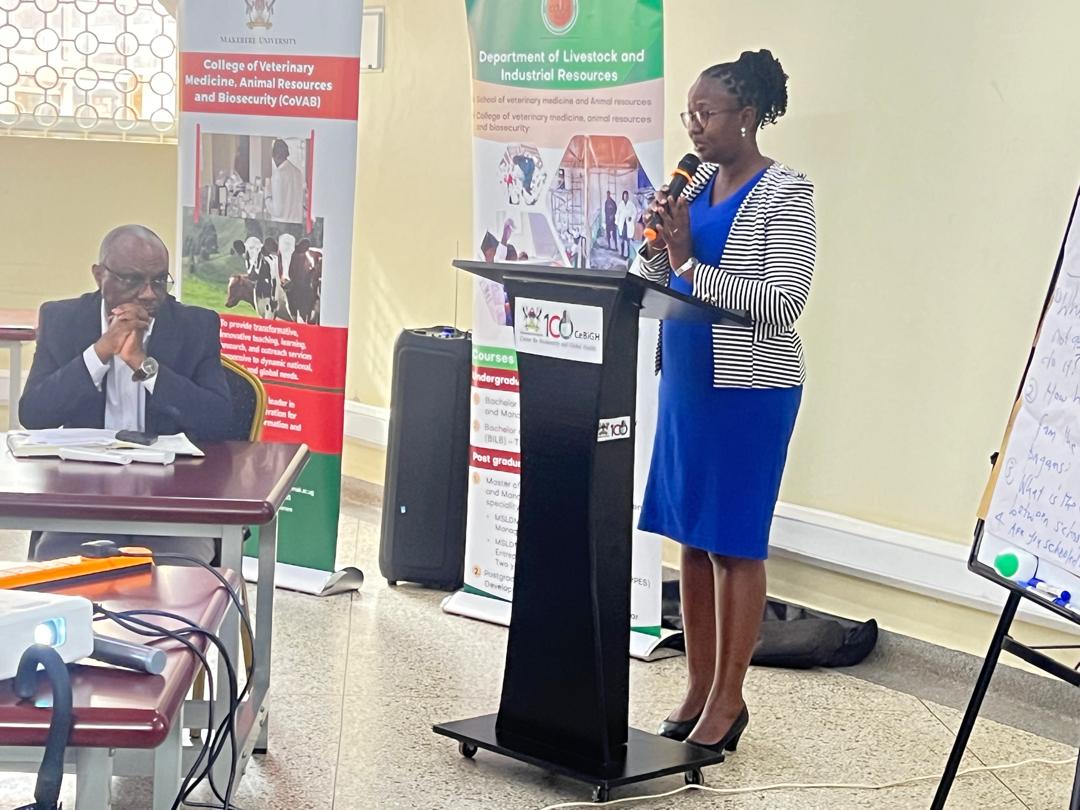
“A strong CV determines whether you are shortlisted or not,” she explained.
Students were advised to tailor their applications to specific job requirements, highlight relevant experience, and continuously upgrade their skills through training and professional development.
“Employers are not just looking for qualifications,” she added. “They are looking for value.”
Student Reflections: A New Perspective
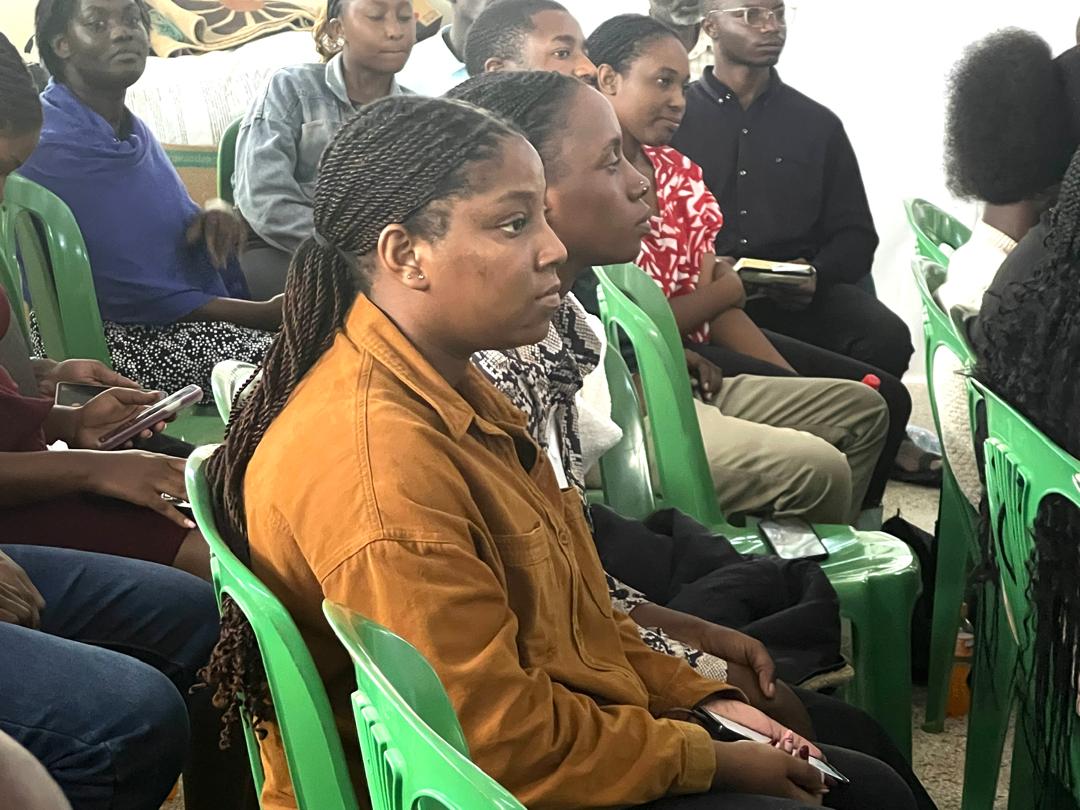
The impact of the Careers Day was evident in the reflections shared by students.
Eremu John Maurice described the session as transformative, noting that it emphasized self-discovery and personal branding.
Ainembabazi Comfort highlighted the importance of integrity and preparedness, saying the session reassured students of the opportunities ahead while reminding them of the need for self-awareness.
Nabulya Nancy pointed to the practical benefits, particularly in understanding CV writing and interview preparation, which she said boosted her confidence.
Kalungi Mark described the event as long overdue, emphasizing its role in bridging the gap between academic learning and real-world expectations.
A Unified Message: Opportunities Exist
Across all presentations, one message remained consistent: opportunities exist, but they require action.
From academic leaders to government officials, speakers emphasized that success depends not only on knowledge, but on mindset, initiative, and the ability to apply learning in practical contexts.
Graduates were encouraged to remain connected to their institution, seek mentorship, and continue learning throughout their careers.
Looking Ahead
As the Careers Day concluded, students left with more than just information—they carried a renewed sense of purpose.
In a rapidly changing world, where traditional career paths are no longer guaranteed, Makerere University’s initiative reflects a broader shift in education: from producing job seekers to nurturing problem solvers, innovators, and entrepreneurs.
For these graduates, the future may be uncertain—but as the day’s discussions made clear, it is also full of possibility.
