By Julius Mugaga Tukacungurwa, Umoja Standard.
Makerere, Uganda: Uganda’s health financing landscape is quite complex. The country faces significant challenges in ensuring sustainable health financing, with nearly 5% of households facing catastrophic health expenditures and 2.3% being impoverished due to medical bills.
However, the government has made efforts to this effect, including abolishing user fees in public health facilities and introducing results-based financing (RBF) pilots. However, out-of-pocket payments remain the largest source of health financing, accounting for around 31% of total health expenditure.
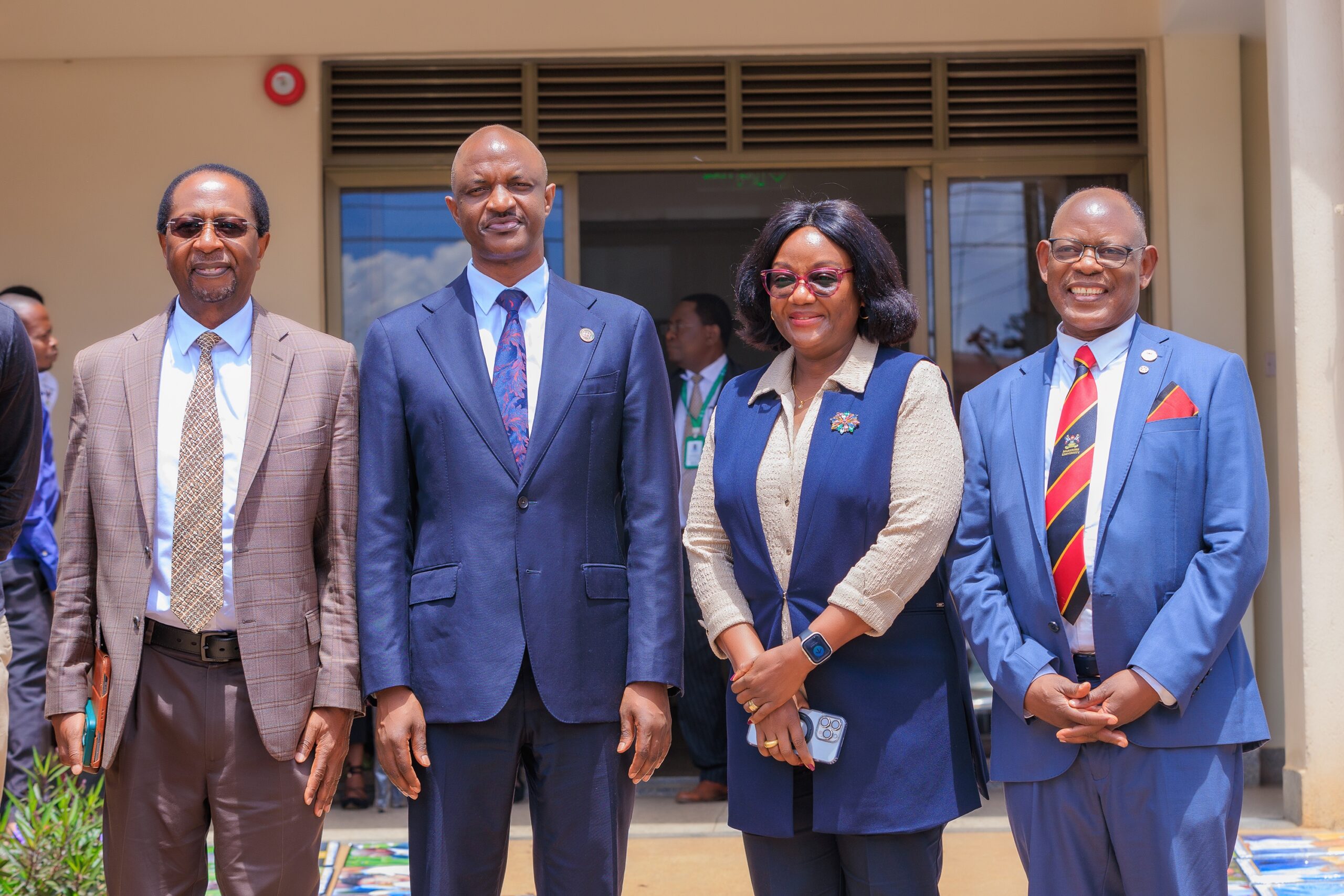
Dr. Ramathan Ggoobi, Permanent Secretary/Secretary to the Treasury, stressed that health is an economic imperative, not a social afterthought, in a keynote address at Makerere University. He highlighted Uganda’s progress in health, including increased life expectancy to 68.8 years in 2024, up from 50 years in 2000, and improved access to healthcare, with 91% of the population within 5km of a health facility.
The country has also made strides in reducing poverty, with income poverty dropping to 16% from 24.5% in 2010, and multidimensional poverty also declining. Additionally, Uganda has introduced the malaria vaccine into its expanded program on immunization for under-5s and implemented an electronic medical record system across national and regional referral hospitals.
However, Dr. Ggoobi noted that challenges persist, including external dependence on development partners, WHO finances 42% of health spending, household exposure, with 31% of health expenditure being out-of-pocket, and fiscal constraints, with per capita health spending at just $50 annually. This is below the $112 recommended by the World Health Organization as the lower middle-income baseline for basic services.
To address these challenges, Dr. Ggoobi recommended increasing domestic health financing and protecting budgets, mobilizing innovative long-term domestic finance, such as leveraging institutional investors, diaspora bonds, and national health insurance, and driving efficiency and value for money through e-procurement, results-based financing, and audits.
He emphasized the need for a national health insurance scheme, citing examples from Rwanda, Kenya, and Ghana, and noted that the current macro conditions in Uganda, with low inflation and stability of the currency, make it an opportune time to implement such a scheme.
Dr. Ggoobi also observed the importance of investing in preventive care, citing Singapore as an example, where investments in public health have led to a healthy population. He emphasized the need for Uganda to shift its health model from curative to preventive care, investing in areas such as public gyms, healthy food, and exercise.
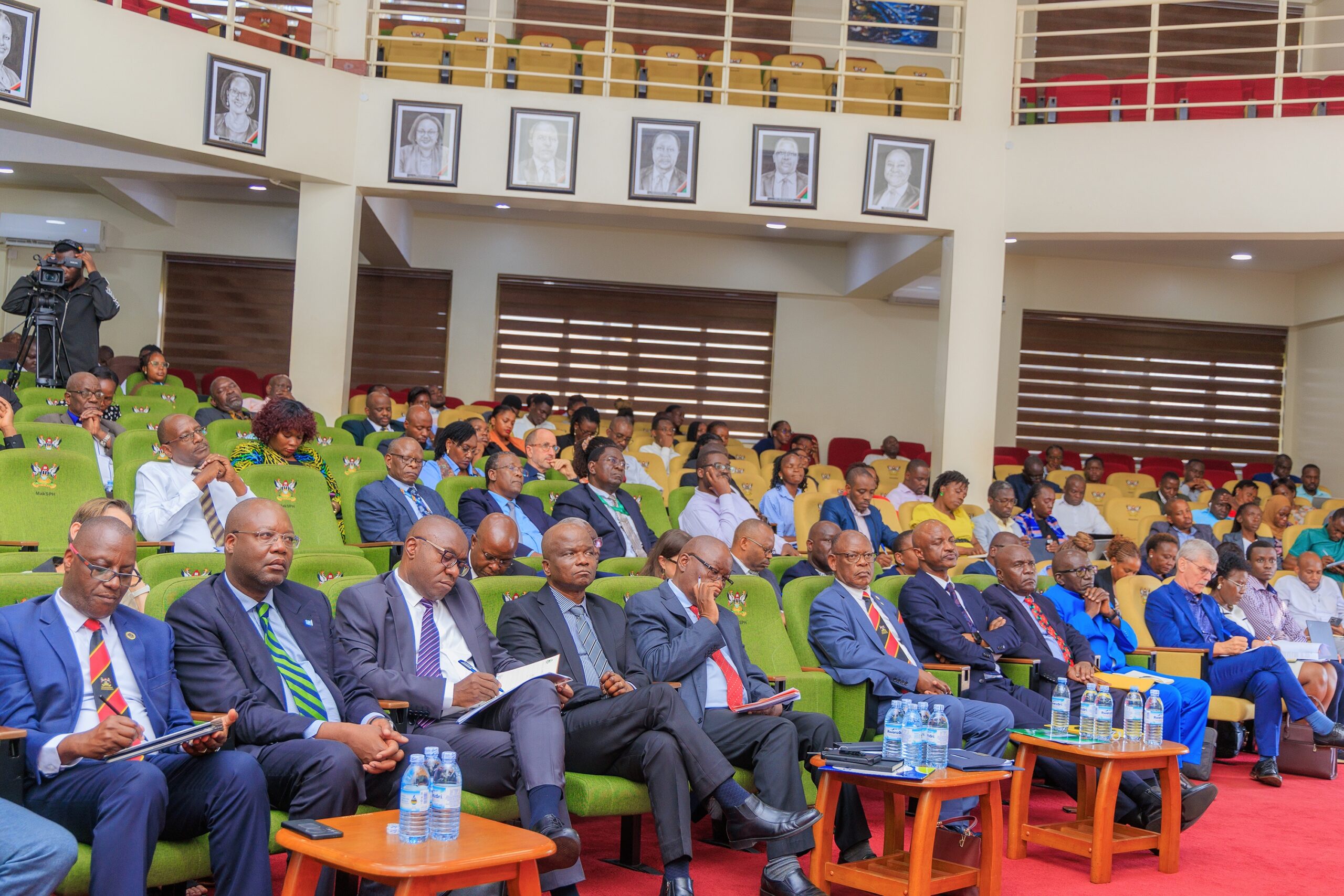
Looking ahead to Uganda’s Vision 2040, Dr. Ggoobi prioritized implementing predictable domestic financing pathways, mobilizing institutional capital for health infrastructure, eliminating procurement inefficiencies, and protecting households from catastrophic spending.
“Health populations build wealth nations,” Dr. Ggoobi said, emphasizing that investing in health is crucial for Uganda’s economic transformation and prosperity. “There is no sustainable wealth creation without human capital involvement,” he added.
Dr. Ggoobi called on researchers and policymakers to work together to develop evidence-based solutions for Uganda’s health financing challenges, and for development partners to support the country’s efforts to build sustainable health systems.
Dr. Diana Atwiine, the Permanent Secretary, Ministry of Health: “We gather at a time when the case for investing in health has never been more urgent and never been more strategic. In Uganda, health can no longer be discussed only as a social sector concern, it must be discussed as a foundation for human capital, productivity, resilience, and national transformation. Health is wealth, and investing in health is investing in Uganda’s future.”
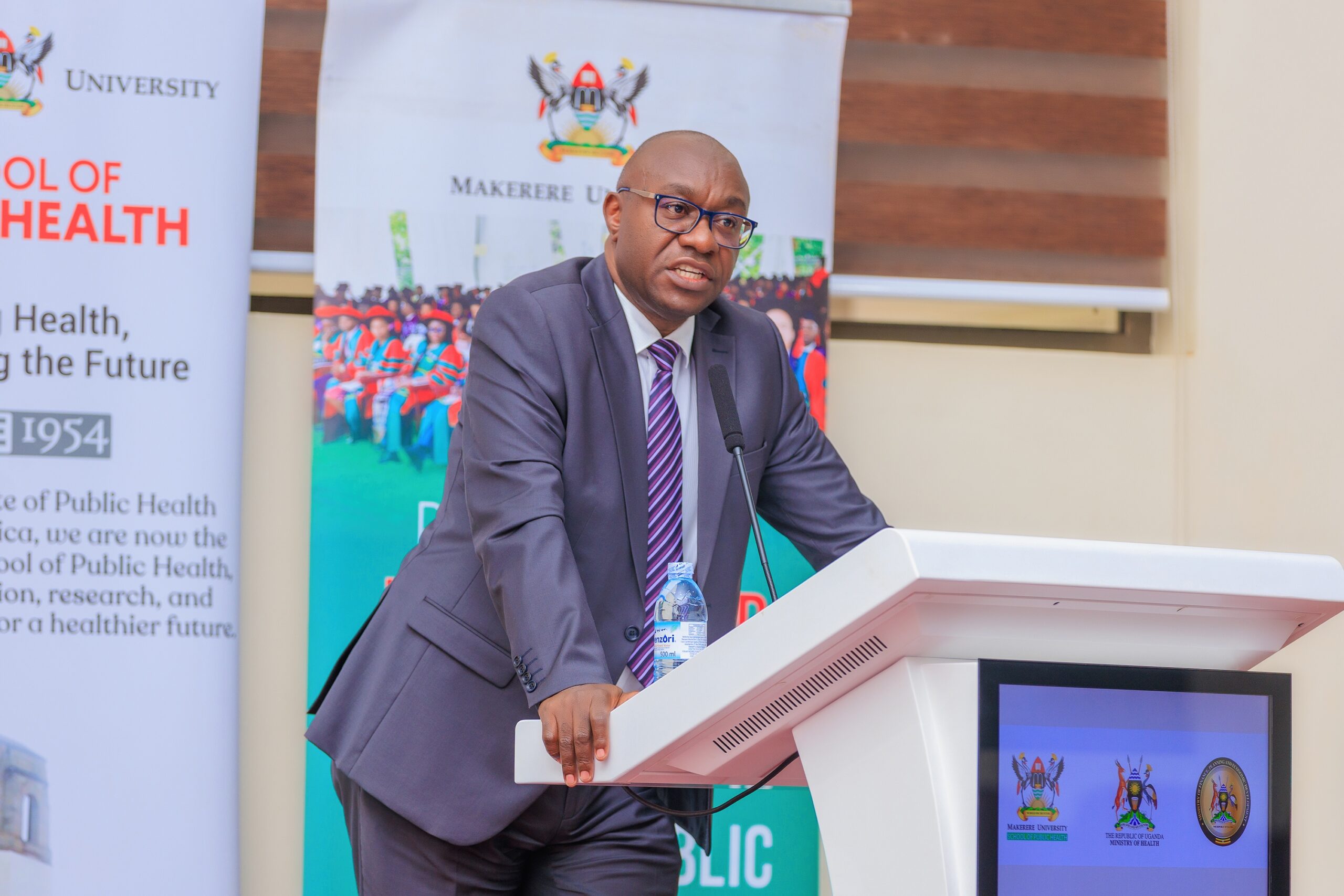
The current funding landscape is challenging, with rising demand for services, growing burden of diseases, and tight funding. However, this presents an opportunity for us to rethink our approach to health financing. We must prioritize prevention, integration, efficiency, and localization to build a sustainable health system.
“Prevention is not only a health issue, it’s a household welfare issue and an economic imperative. We must invest in immunization, maternal and child health, nutrition, sanitation, and vector control to reduce future treatment costs. Integration is not just a service delivery choice, it’s a financing strategy, an efficiency strategy, and a sovereignty strategy,” Said Dr. Atwiine.
She noted, they must also prioritize efficiency in service delivery, reduce waste, strengthen budget execution, and direct resources to high-impact interventions. She added, localization and health sovereignty are also key to building a resilient health system that meets the needs of Ugandans.
“The choices we make today will determine the kind of health system and country we build tomorrow. Let us invest in health, invest in Uganda’s future.” She said.
In her remarks, Ms. Jane Mwesigwa, the Deputy Head of Public Service Office of the Prime Minister, Uganda revealed that Uganda has made significant investments in expanding health infrastructure and services, but the question is whether these investments are translating into services that work for citizens.
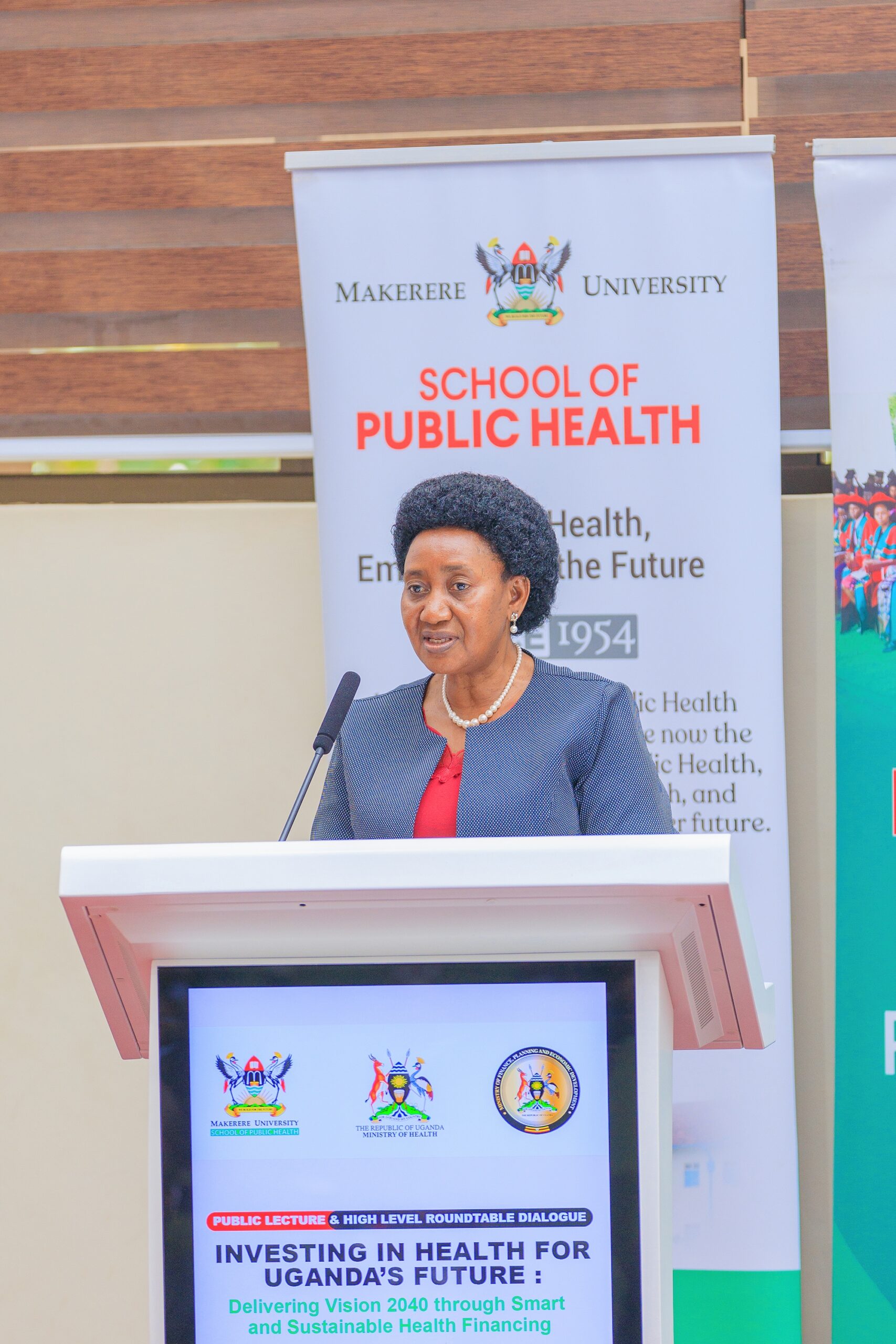
“We’ve seen progress in increasing access to healthcare, reducing travel distances, and improving the availability of essential medicines. However, challenges remain, including staffing gaps, unreliable utilities, and limited specialist services,” she noted.
“Our assessments show that infrastructure expansion is largely achieved, yet operational readiness remains uneven. Over 500 million U.S. dollars has been invested in centralized service delivery, but gaps in staffing, utilities, equipment, and coordination continue to limit impact,” she added.
She cited the need to shift our focus from expansion to functionality, from inputs to outcomes, and from financing to public value. “We must prioritize investments in power, water, staffing, and equipment, and scale resource-based financing linked to outcomes. The national health insurance scheme is a critical milestone that can help reduce out-of-pocket expenditure, mobilize domestic resources, and improve accountability.”
She stressed that we need to achieve full staffing of all public health facilities, eliminate conflicts of interest, and strengthen oversight and system efficiency and also to align financing with subsidy delivery outcomes and prioritize investments in health promotion and disease prevention.
“Ultimately, our goal should be to create a health system that delivers quality services to all Ugandans, regardless of their location or income. We need to ensure that every shilling invested translates into measurable and better services, outcomes, and citizen well-being.” She stated.
On his part, Dr. Crispus Kiyonga, the Chancellor Makerere University noted that Uganda’s health system needs a paradigm shift to prioritize accessibility and affordability. “We must focus on building health centers at the village level, making healthcare services closer to the people. The current system is not designed to cater to the needs of the majority, particularly in rural areas.”
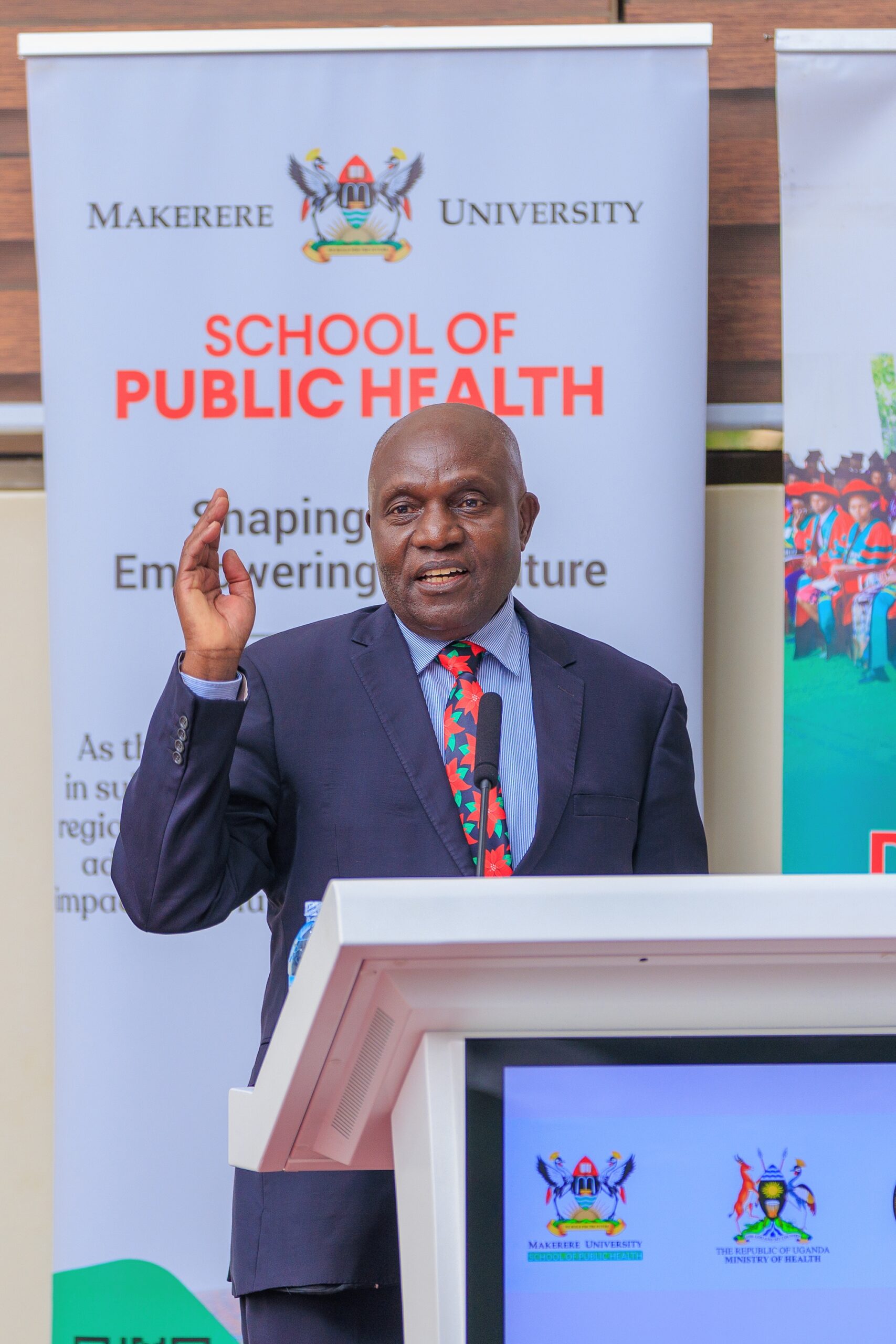
He mentioned that as a country, we need to rethink our approach to health financing and prioritize prevention, community-based care, and local capacity building.
“We cannot continue to rely on curative care; it’s time to invest in preventive care. The cost of treating diseases is much higher than preventing them. Let’s prioritize health promotion, education, and community engagement to reduce the burden of diseases,” he urged.
“As academicians, we have a role to play in informing policy and holding the government accountable. We must work together to ensure that healthcare is accessible, affordable, and of high quality for all Ugandans,” he added.
For Professor Barnabas Nawangwe, the Vice Chancellor Makerere University observed that “The School of Public Health is a distinguished institution on the African continent, playing a foundational role in generating evidence, training health professionals, and informing policy in Uganda’s health system. Our research in health consumes more than 50% of all research done at Makerere, with the School of Public Health and the Infectious Diseases Institute accounting for over 40% of all research income and investment.”
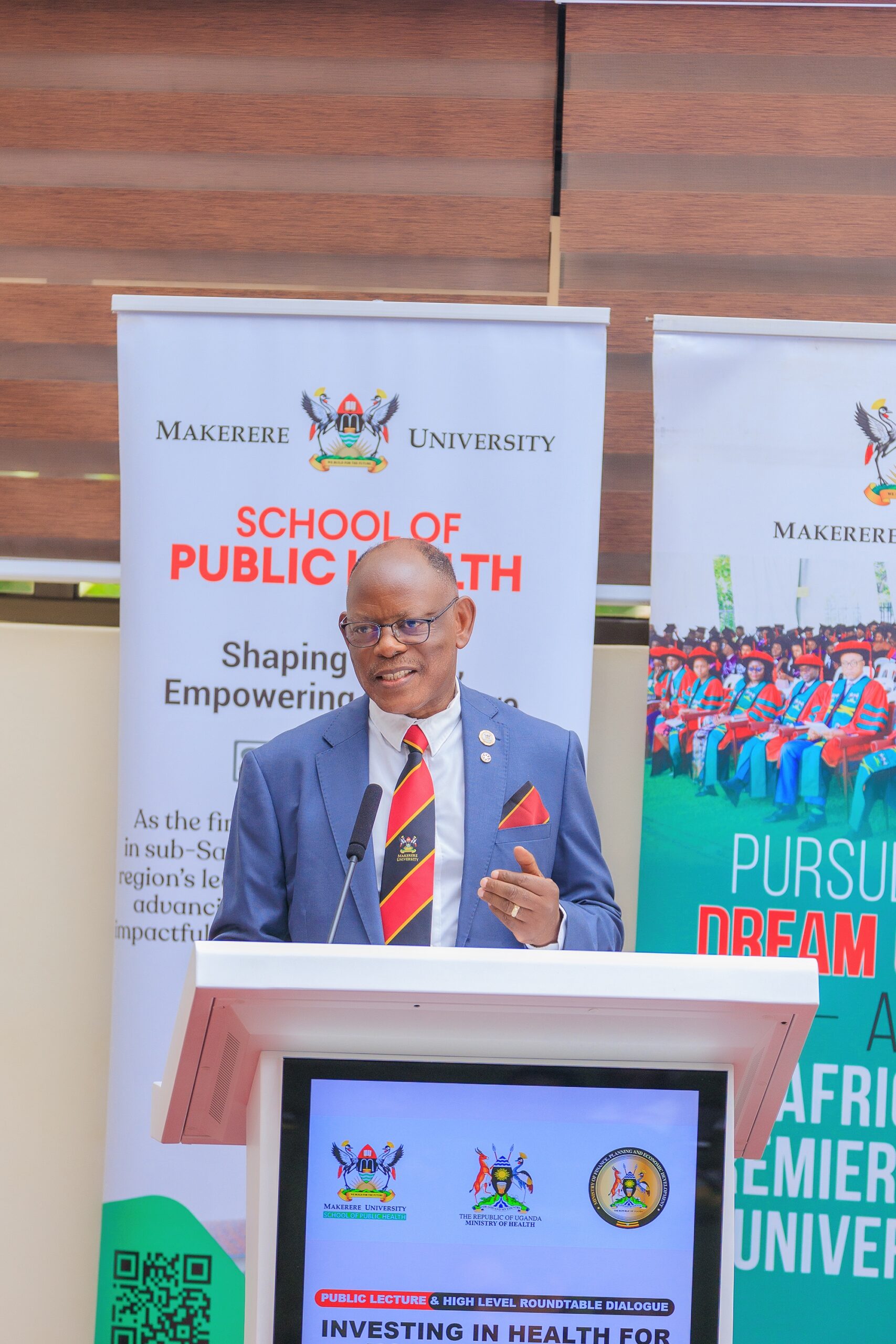
“We are a big partner in Uganda’s health sector, and our impact is visible. The IDI provides medication to over 20% of patients requiring antiretroviral therapy, and works in over 90 districts in Uganda. Makerere brings in over 1 trillion shillings in foreign exchange earnings annually, making us a net producer, not a consumer,” he revealed.
He mentioned that, Investing in Makerere University is investing in Uganda’s health. “We have introduced specialized programs in health, reducing Ugandans seeking medical treatment abroad. Our medical school is ranked number two in Africa and among the top 100 in the world. We dream of having a dedicated teaching and research hospital, making Uganda a net medical tourist country.”
He noted that, one of the best ways to invest in health in Uganda is to invest in Makerere University. ‘We are a valuable asset, and with special status and funding, we can deliver more than imagined.’
The host, Professor Rhoda Wanyenze, the Dean of Makerere University School of Public Health, emphasized the need for smart and sustainable health financing to achieve Uganda’s Vision 2040. She advocated for prioritizing high-impact, evidence-based interventions and encourages countries to reprogram resources accordingly.
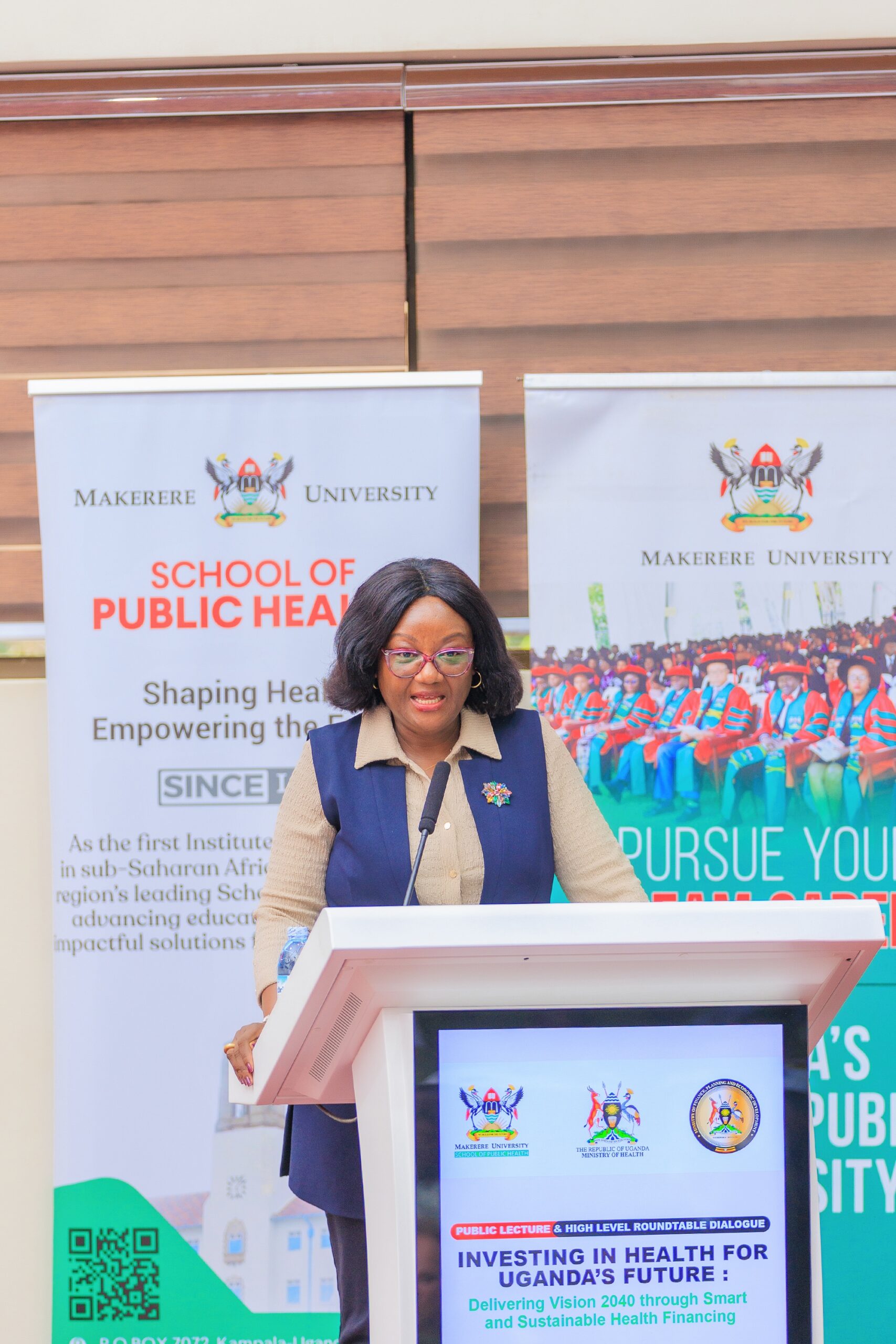
Wanyenze stressed that evidence should go beyond routine data, serving as a measure of transformation. Given the shifting funding landscape, she urges African countries to take ownership of their health systems, highlighting the unsustainability of the current global health financing system.
Key points she raised include investing in the health workforce, as Africa bears 25% of the global disease burden with only 3% of the health workforce, hindering economic growth.
She also emphasized evidence-based decision-making, where policymakers use data to inform effective and efficient investments. Furthermore, Wanyenze promotes sustainable financing through domestic resource mobilization and alternative models.
On the other hand, she revealed the School of Public Health is evolving to meet the changing needs of Uganda and Africa, with a focus on growing skills in health informatics and data science. “We’ve made tremendous growth, from 40 students 20 years ago to over 1,000 students today, with 12 programs.”
“Our work on the continent includes coordinating a community of practice on digital health in Africa and assessing how countries are responding to shifting global health financing.We’re working with Africa CDC to document innovations and transformations happening across countries, with responses from 10 countries ongoing,” she revealed.
She noted, their goal is to build stronger systems in Africa, led by governments, and ensure sustainability, efficiency, and universal health coverage. The Lusaka Agenda and other initiatives are driving conversations around health sovereignty and what it means for Africa.
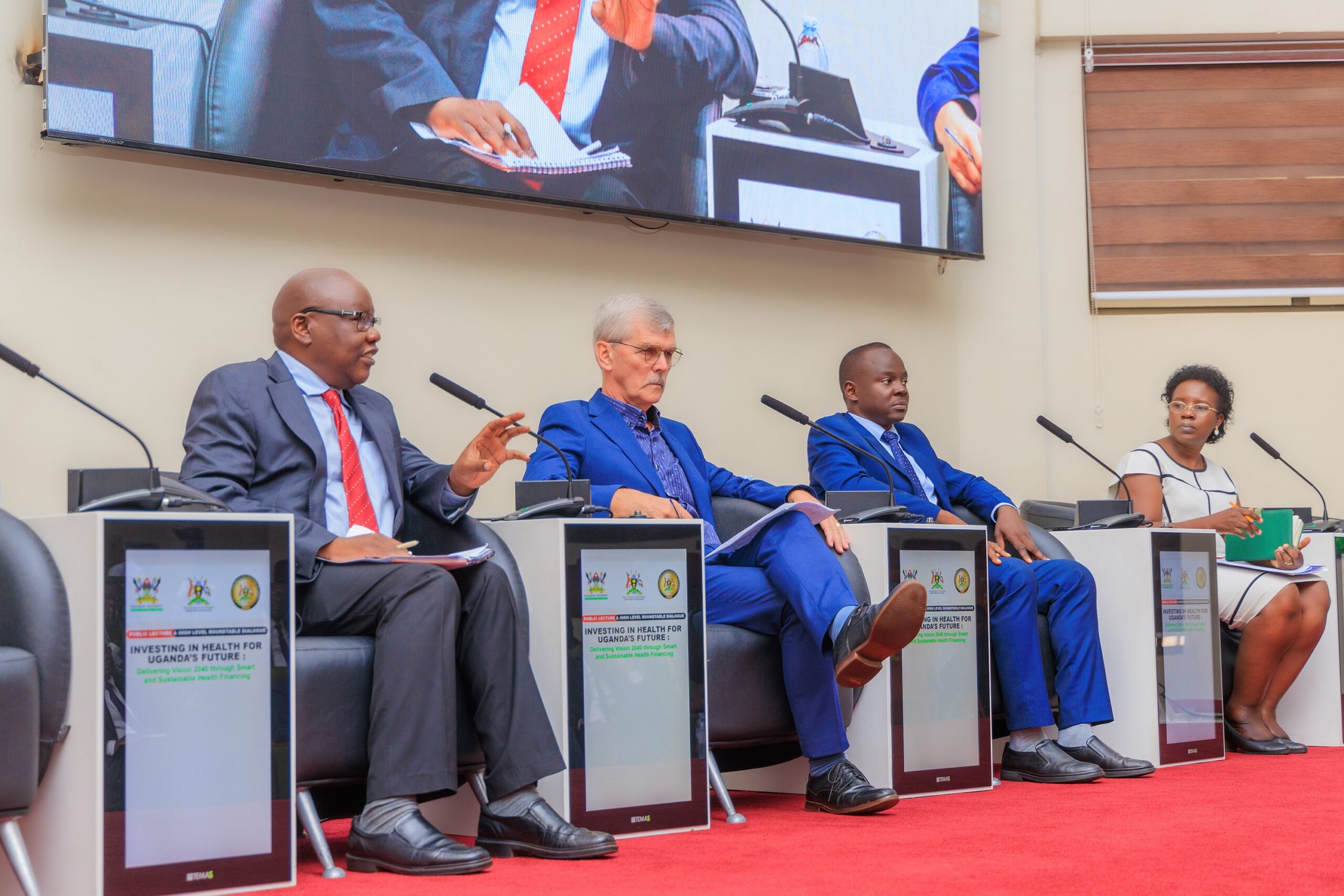
Dr. Freddie Ssengooba, professor and a Senior Researcher in the Department of Health Policy Planning and Management at Makerere University School of Public Health stressed the need for Uganda to rethink its health financing structure and health system to respond to its needs, citing lessons from the COVID-19 pandemic and the Lusaka Agenda. He observed the importance of expanding sovereign space for health systems, reducing external dependencies, and investing in pharmaceutical industries and research. “The issue is about how to connect these together, to get the synergies,” he says, emphasizing the need for integration and coordination across sectors.
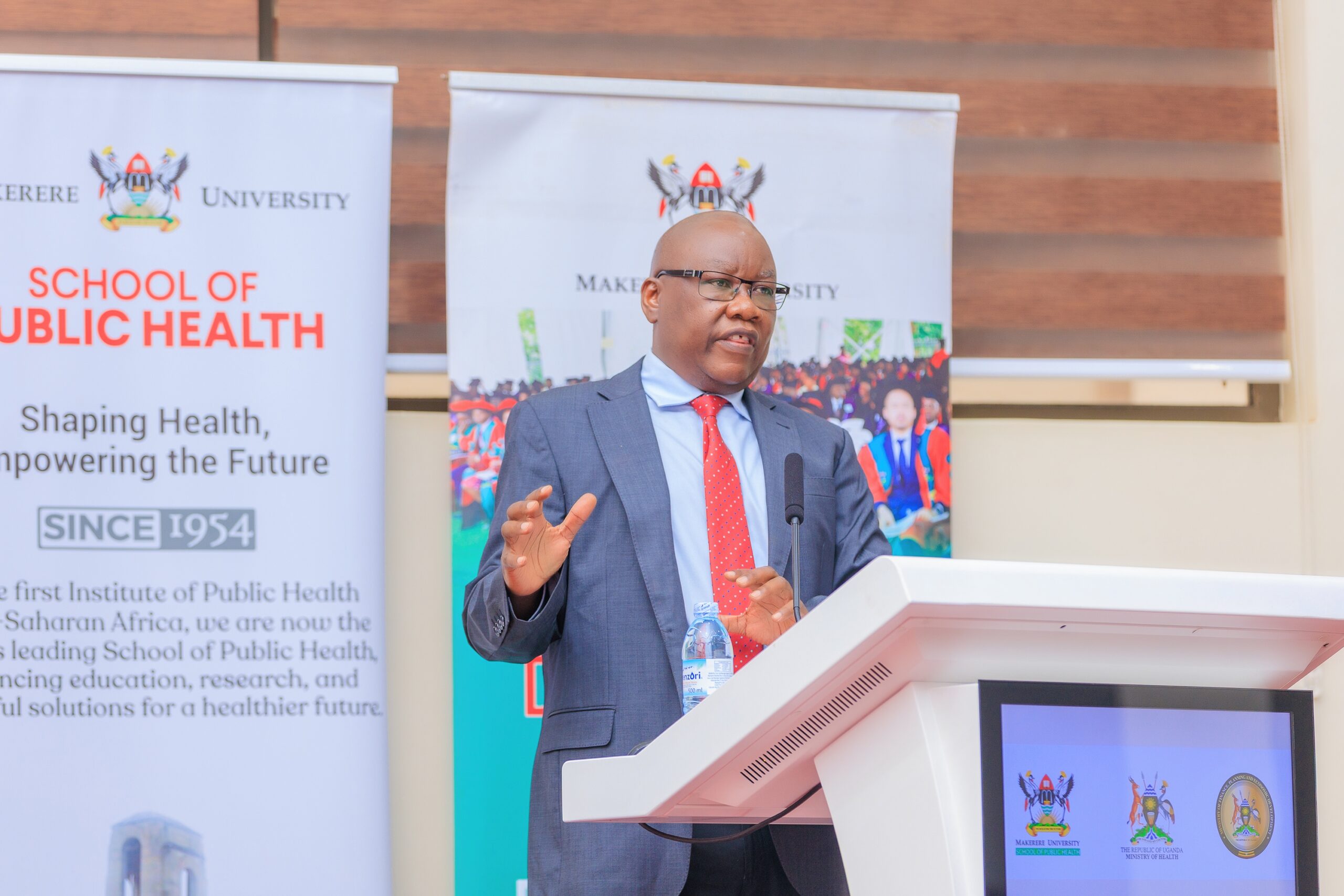
Ssengooba noted that Uganda has made progress in producing health workers, with over 1,000 medical students graduating annually, but stresses the need for ethical and organized management of health worker exports.
He suggests exploring innovative financing mechanisms, such as taxing harmful behaviors, and leveraging domestic resources. “We are not looking for money alone, we are looking for savings,” he says, emphasizing the need for efficient use of existing resources.”
He highlighted examples of successful innovations, such as the Ishaka medical hospital, which has transformed the local economy, and advocated for purposeful development of microeconomies. Ssengooba revealed that Uganda needs to connect the dots across sectors to achieve its Vision 2040 goals, saying, “I think we need connectors so that sectors do not necessarily have small islands of innovation, but these innovations can connect to bring… tenfold growth in the region 2040.”
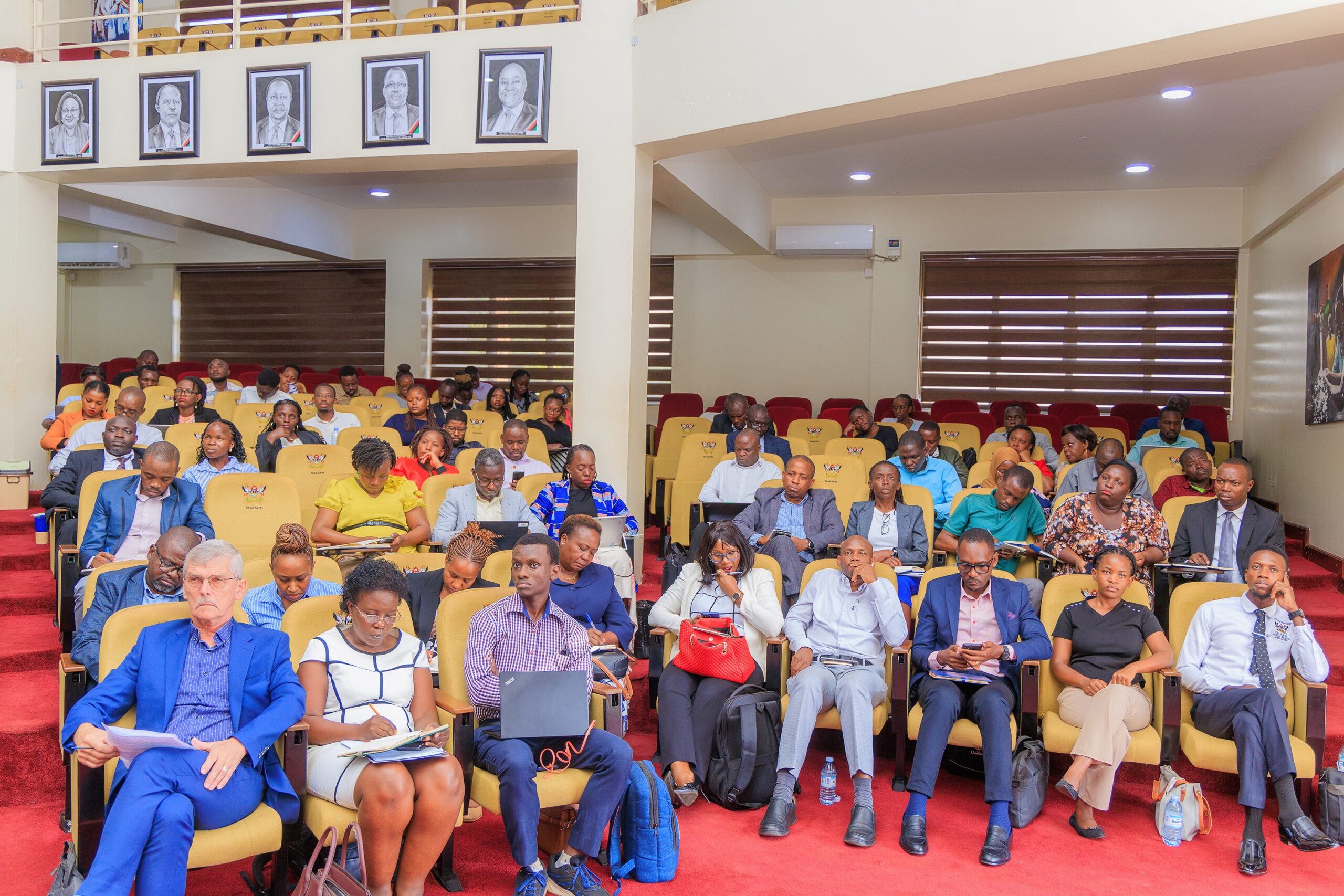
The pivotal Public Lecture and High-Level Roundtable Dialogue on Health Financing in Uganda was hosted by the Makerere University School of Public Health (MakSPH), in partnership with the Ministry of Health (MoH) and the Ministry of Finance, Planning and Economic Development (MoFPED).
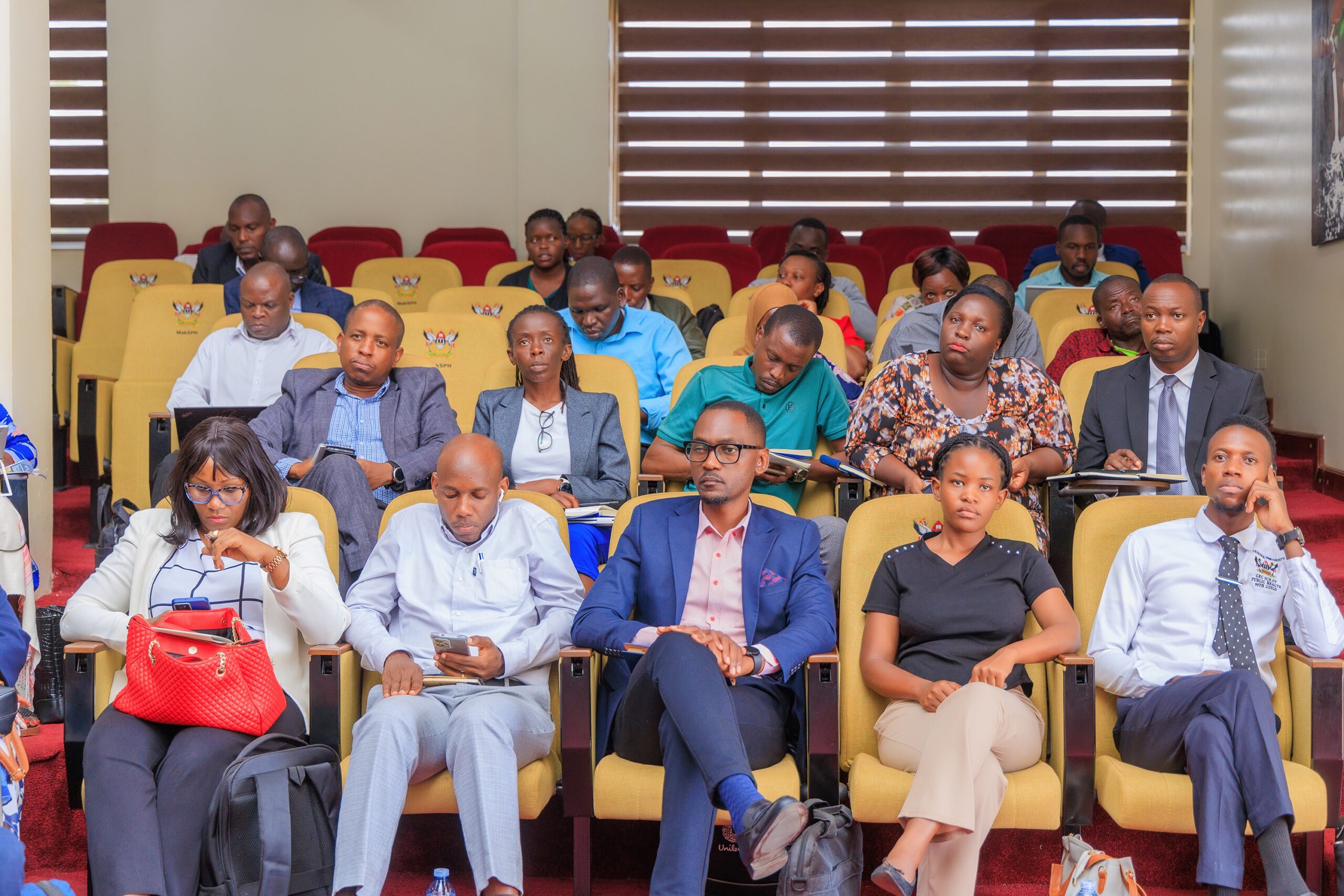
This strategic gathering brought together esteemed senior leaders from government, academia, the private sector, and development partners to deliberate on Uganda’s evolving health financing landscape.
The event, themed “Investing in Health for Uganda’s Future: Delivering Vision 2040 through Smart and Sustainable Health Financing,” featured insightful reflections from senior government leaders and a high-level roundtable discussion.
Key focus areas included sustainable investments in health, optimizing efficiency
in health expenditure, and forging strategic partnerships to fortify resilient health systems.