- By Wilber Tumutegyereize
Kampala, Uganda: The Chairman of the Patriotic League of Uganda (PLU), General Muhoozi Kainerugaba, has assigned Patriotic Officer numbers to several prominent figures within the movement in recognition of what the organisation describes as their contribution to mobilisation and national development efforts.
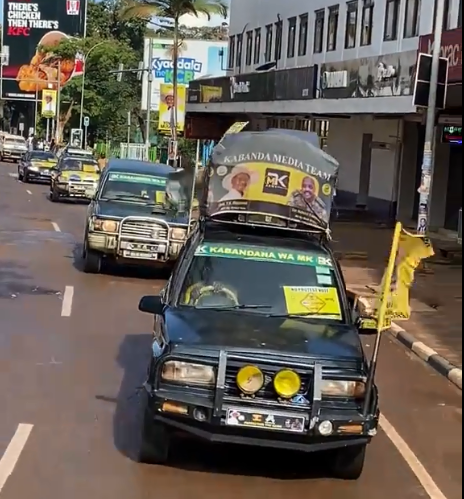
Among those recognised is Kabanda Henry, widely known as “Kabandana wa MK”, who was assigned Patriotic Officer Number 047. Supporters say the designation reflects years of sustained grassroots mobilisation, organisational discipline, and loyalty within the political structure.

The announcement has further elevated his profile within Uganda’s growing youth mobilisation networks — spaces where influence is increasingly shaped by visibility, loyalty, and the ability to organise large-scale grassroots engagement.
In recent years, Uganda has seen the rise of youth-led mobilisation structures linked to political movements and personalities. Within this environment, he has become one of the most recognisable figures among a new generation of political mobilisers.

Supporters describe him as a disciplined organiser and tireless field mobiliser whose reputation has been built through direct engagement at rallies, community events, and regional mobilisation drives rather than formal political office.

To many within the movement, he represents determination, resilience, and the growing influence of youth mobilisation in shaping Uganda’s political culture.
A NEW GENERATION OF POLITICAL MOBILISATION
Uganda’s political landscape has traditionally been anchored in formal institutions and structured political parties. However, analysts say the past decade has seen a gradual shift towards personality-driven mobilisation networks, particularly among younger political actors.
Within this evolving space, his rise has been closely tied to sustained involvement in mobilisation campaigns linked to the Patriotic League of Uganda and related youth structures.

Supporters say his influence is rooted in consistent presence on the ground — attending rallies, coordinating youth groups, and helping organise mobilisation activities across different districts.
He is frequently described as someone who understands grassroots political energy and has built networks among young people, boda boda riders, market vendors, and local organisers.
For his supporters, this has made him a symbol of a new political identity defined less by formal office and more by mobilisation capacity.
EARLY STEPS IN MOBILISATION WORK
His public political involvement became more visible around 2016, a period marked by increased youth political engagement across Uganda.
At the time, several youth mobilisation structures were emerging around national political movements and figures. He began participating as a field organiser, helping coordinate attendance and engagement at political events.
People familiar with his early involvement describe him as energetic and highly mobile, often travelling long distances to support mobilisation activities in different regions.
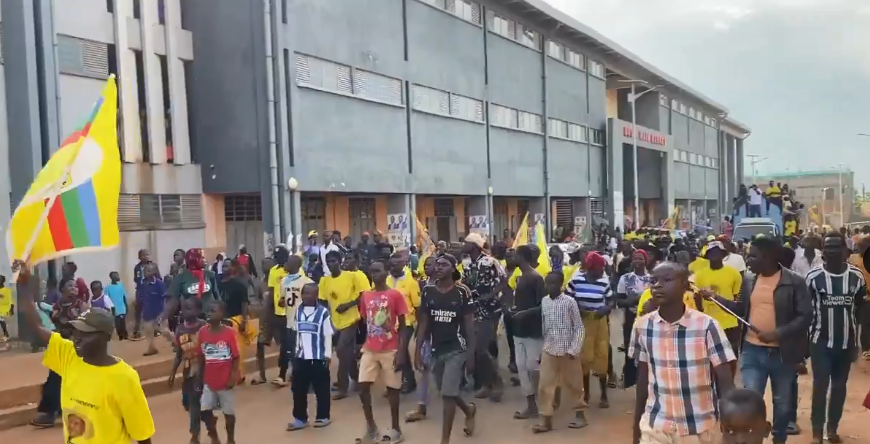
Over time, he developed connections with youth groups across multiple districts, strengthening his role within informal mobilisation networks.
He later became associated with the formation of the MK Army pressure group, which supporters describe as a youth mobilisation structure aimed at strengthening coordination and political engagement at grassroots level.
EXPANDING REGIONAL INFLUENCE
Over the years, his mobilisation work reportedly expanded across several regions, including Buganda, Busoga, Ankole, Teso, Tooro, Bugisu, Sebei, and West Nile.

Supporters say this regional presence helped establish a reputation as a reliable organiser capable of sustaining mobilisation efforts across diverse communities and cultural settings.
At events, he is often described as a familiar face working closely with local organisers to coordinate gatherings and political meetings.
Critics, however, argue that the growth of such networks reflects a broader trend of personalised mobilisation politics, where influence is increasingly tied to individuals rather than institutions.
THE MK ARMY AND GRASSROOTS IDENTITY
Within supporter circles, the MK Army pressure group is described as a mobilisation structure focused on youth engagement and coordination of political participation.
He is often associated with its grassroots operations, particularly in organising youth involvement in rallies and public gatherings linked to broader political activities.

Supporters say this involvement helped shape his reputation as a key organiser within youth mobilisation networks.
Critics view such structures differently, suggesting they highlight the increasing overlap between informal political organisation and structured political systems in Uganda.
PERSONAL SACRIFICES AND LOYALTY
Beyond mobilisation work, supporters often point to personal experiences that they say shaped his political commitment.
He has spoken about surviving a serious accident while returning from mobilisation work in Mitooma District — an incident he describes as a turning point in his life.
He also experienced the loss of his father, a personal tragedy he says was met with support from members of the political network he worked with.
Reflecting on these moments, he once stated:
“When I got an accident in Mitooma while doing your work, you were there for me. When I lost my father, you were there for me.”
Supporters say such experiences strengthened his emotional attachment to the movement and deepened his commitment to mobilisation work.
RISE WITHIN THE PATRIOTIC LEAGUE OF UGANDA
As the Patriotic League of Uganda expanded its national structure, his visibility within mobilisation coordination also increased.
He was appointed Chief of Staff for the Central Region before later being elevated to Deputy Coordinator for Kampala Region.
Observers say these roles reflect increasing trust in his organisational ability and grassroots influence.

He has publicly acknowledged several senior figures, including General Muhoozi Kainerugaba, Frank Gashumba, Minister Balaam Barugahara, and members of the PLU secretariat, as key mentors and supporters in his political journey.
The recent assignment of Patriotic Officer Number 047 has further formalised his position within the movement’s internal recognition system.
Supporters say the designation represents acknowledgment of his contribution to mobilisation and organisational work.
THE SIGNIFICANCE OF PATRIOTIC OFFICER 047
The Patriotic League of Uganda’s system of assigning Patriotic Officer numbers is described as a way of recognising individuals involved in mobilisation and organisational efforts.
In this case, the designation has been widely interpreted among supporters as recognition of sustained grassroots contribution and loyalty.
It also places him within a growing list of individuals being formally acknowledged for their role in mobilisation activities across the country.
Critics, however, argue that such systems risk reinforcing personalised political structures rather than institutional development.

MOBILISATION AND UGANDA’S CHANGING POLITICAL CULTURE
Uganda’s political system has long relied on a combination of formal governance structures and informal mobilisation networks
Analysts say youth-led mobilisation groups are increasingly shaping political participation, particularly among younger demographics.

Within this context, his rise reflects a broader transformation in how political influence is built — shifting from institutional pathways to mobilisation-based recognition.
Supporters argue that such figures help connect political movements to communities at grassroots level.
Critics caution that the increasing prominence of personality-driven mobilisation may reshape political engagement in ways that prioritise loyalty networks over institutional accountability.
A JOURNEY STILL EVOLVING
For supporters, he represents discipline, loyalty, and grassroots political energy.
For critics, he reflects the broader rise of personalised mobilisation politics within Uganda’s evolving political landscape.

Regardless of perspective, his journey from local organiser to Patriotic Officer 047 highlights a wider shift in Uganda’s political culture — one where mobilisation, identity, and loyalty are becoming central to political influence.
As the political environment continues to evolve, his role remains closely watched within mobilisation circles, where grassroots engagement continues to shape emerging political narratives.
