By: Wilber Tumutegyereize.
Kampala-Uganda: In a landmark initiative to enhance Uganda’s fiscal governance, the Parliament of Uganda, in collaboration with the Ministry of Finance, Planning and Economic Development and Makerere University, has officially launched a five-day training programme on Integrated Macroeconomic Modelling.
The programme targets staff of the Parliamentary Budget Office (PBO), aiming to equip them with cutting-edge skills for analyzing budget proposals, assessing policy options, and providing evidence-based advice to Members of Parliament. This initiative is part of a broader strategy to strengthen Parliament’s capacity for independent fiscal oversight and ensure alignment of national budgeting with the Strategic Plan of Parliament and the National Development Plan.
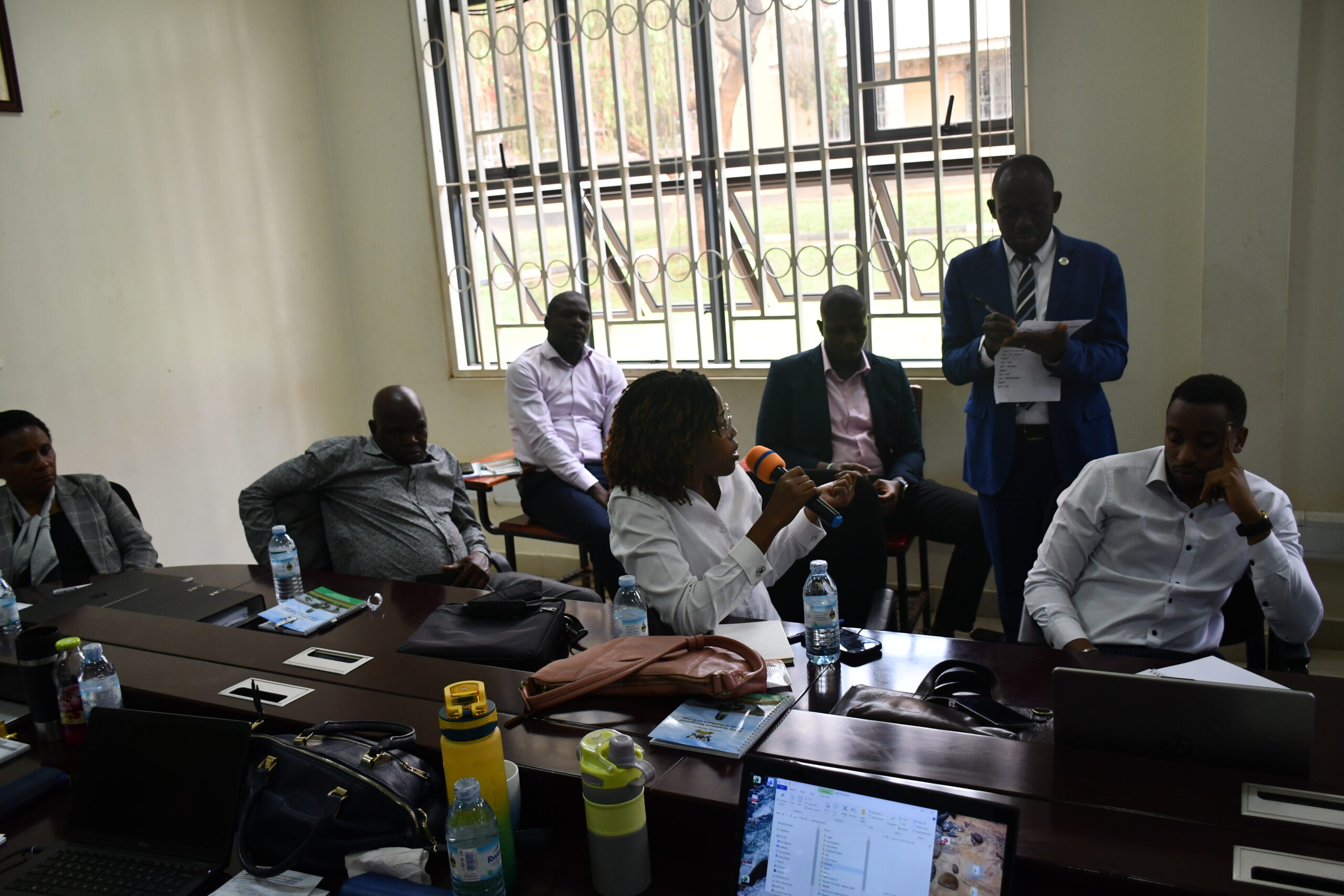
Dr Peter Babyenda, speaking on behalf of the Manager Public Investment Management (PIM) Centre of Excellence, emphasized the growing importance of evidence-based decision-making in parliamentary work and highlighted the central role of the Parliamentary Budget Office in informing policy decisions.
“This training comes at a critical time when the demands on Parliament to undertake rigorous scrutiny of fiscal and economic policy have never been greater,” Dr Babyenda stated.
He noted that Parliament’s constitutional mandate requires it to legislate, appropriate budgets, and oversee public financial management. In fulfilling these duties, the Parliamentary Budget Office provides objective, independent, and timely economic analysis that informs decision-making.
Dr Babyenda further elaborated on the role of the Government’s Integrated Macroeconomic Model, which allows analysts to examine the economy holistically, simulate alternative policy scenarios, and evaluate their implications on growth, poverty, inequality, and household welfare.
“By integrating this model into the operations of the Parliamentary Budget Office, we strengthen Parliament’s capacity to provide evidence-based guidance and recommendations to policymakers,” he said.
He encouraged participants to approach the training with dedication, curiosity, and commitment, stressing that the knowledge gained over the five days would be most valuable when applied to real parliamentary work.
Mr Henry Waiswa, Deputy Clerk to parliament in charge of Corporate Affairs, provided critical context on Parliament’s institutional priorities and highlighted the strategic objectives underpinning the training.
Mr Waiswa underscored Parliament’s constitutional responsibilities to legislate, allocate public funds, and oversee the management of government resources. He highlighted the essential role of the Parliamentary Budget Office in enhancing Parliament’s engagement in the national budget process.
“Since its establishment under the Budget Act, and its current anchoring under the Administration of Parliament Act, the PBO has become a cornerstone of evidence-based fiscal oversight,” Mr Waiswa said.
He emphasized that Uganda’s public financial management landscape has grown increasingly complex, and stakeholders expect Parliament to anticipate both macroeconomic implications and distributional effects of policy decisions on households and the broader society.
Mr Waiswa also praised the Ministry of Finance, Planning and Economic Development, Makerere University, and the Resource Enhancement and Accountability Programme (REAP) for their instrumental support in designing the training and facilitating the integration of the Integrated Macroeconomic Model into parliamentary analysis.
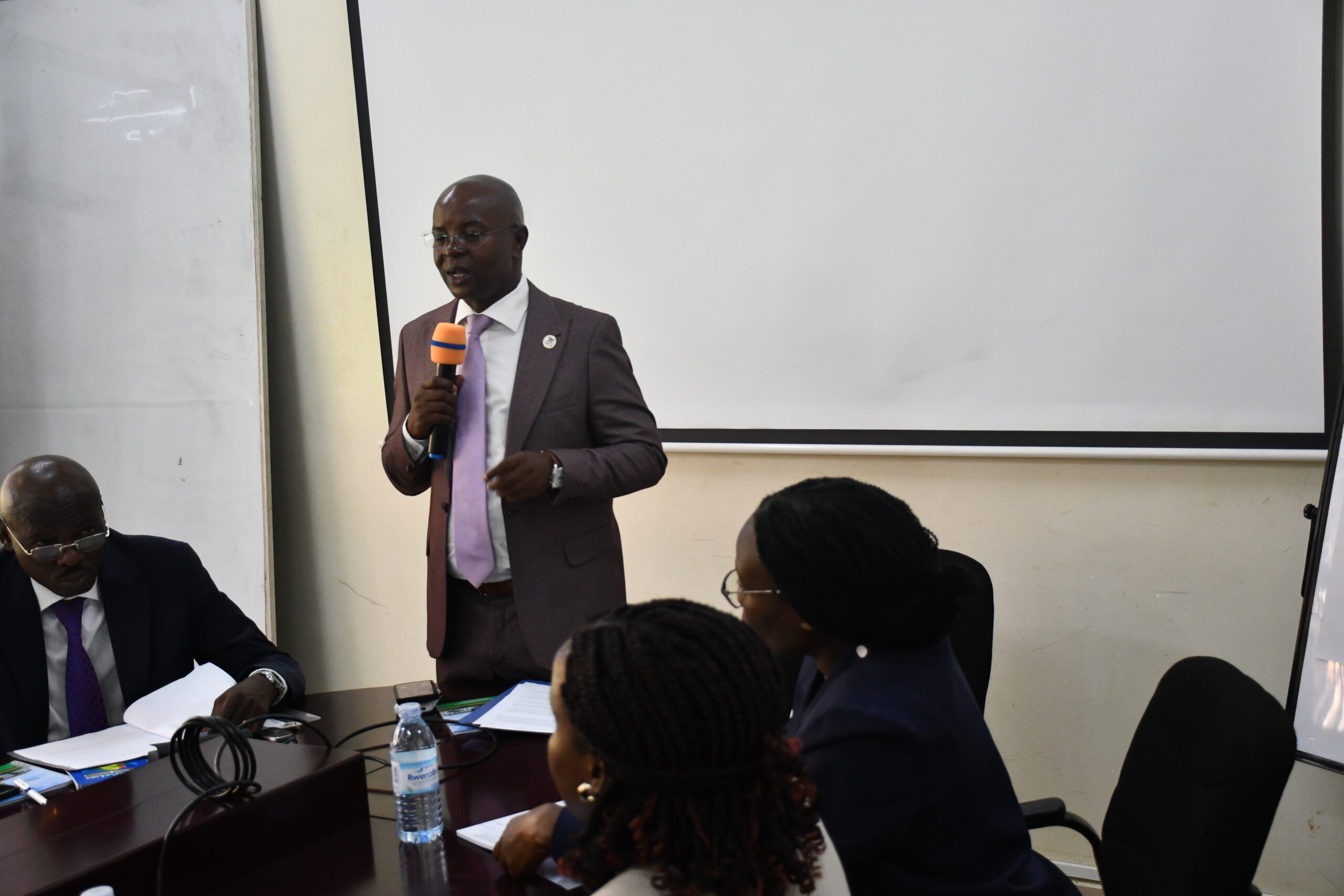
Professor Edward Bbaale, Director of the Public Investment Management Centre of Excellence at Makerere University, provided a detailed academic perspective on the relevance and application of macroeconomic models in parliamentary work.
Professor Bbaale highlighted the importance of collaboration between Parliament, the Ministry of Finance, and Makerere University in building sustainable analytical capacity for fiscal governance.
“When our key public institutions work together, we enhance the credibility of economic management and ensure that policy decisions are informed by rigorous analysis,” Professor Bbaale said.
He explained that Integrated Macroeconomic Models are vital for understanding the relationships between national income, expenditure, revenue, debt, and fiscal policy. These tools enable analysts to simulate policy scenarios, anticipate potential consequences, and evaluate the distributional impact of government decisions on poverty and inequality.
Professor Bbaale further urged participants to leverage the five-day training to strengthen institutional resilience, analytical capability, and the overall quality of parliamentary oversight.
Dr Peter Babyenda, speaking on behalf of the Manager Public Investment Management (PIM) Centre of Excellence, stressed the importance of applied analytical skills in public financial management. He highlighted that the Integrated Macroeconomic Model is a practical tool designed to support evidence-based policy advice.
“The model allows analysts to integrate data from multiple sectors, simulate alternative fiscal policies, and evaluate potential economic outcomes,” the representative noted. “It equips Parliament with the technical capacity to provide informed recommendations on the budget, public investments, and fiscal policy choices.”
The representative also emphasized the collaborative nature of the training, noting that partnerships between Parliament, the Ministry of Finance, and Makerere University are key to sustaining long-term analytical capacity.
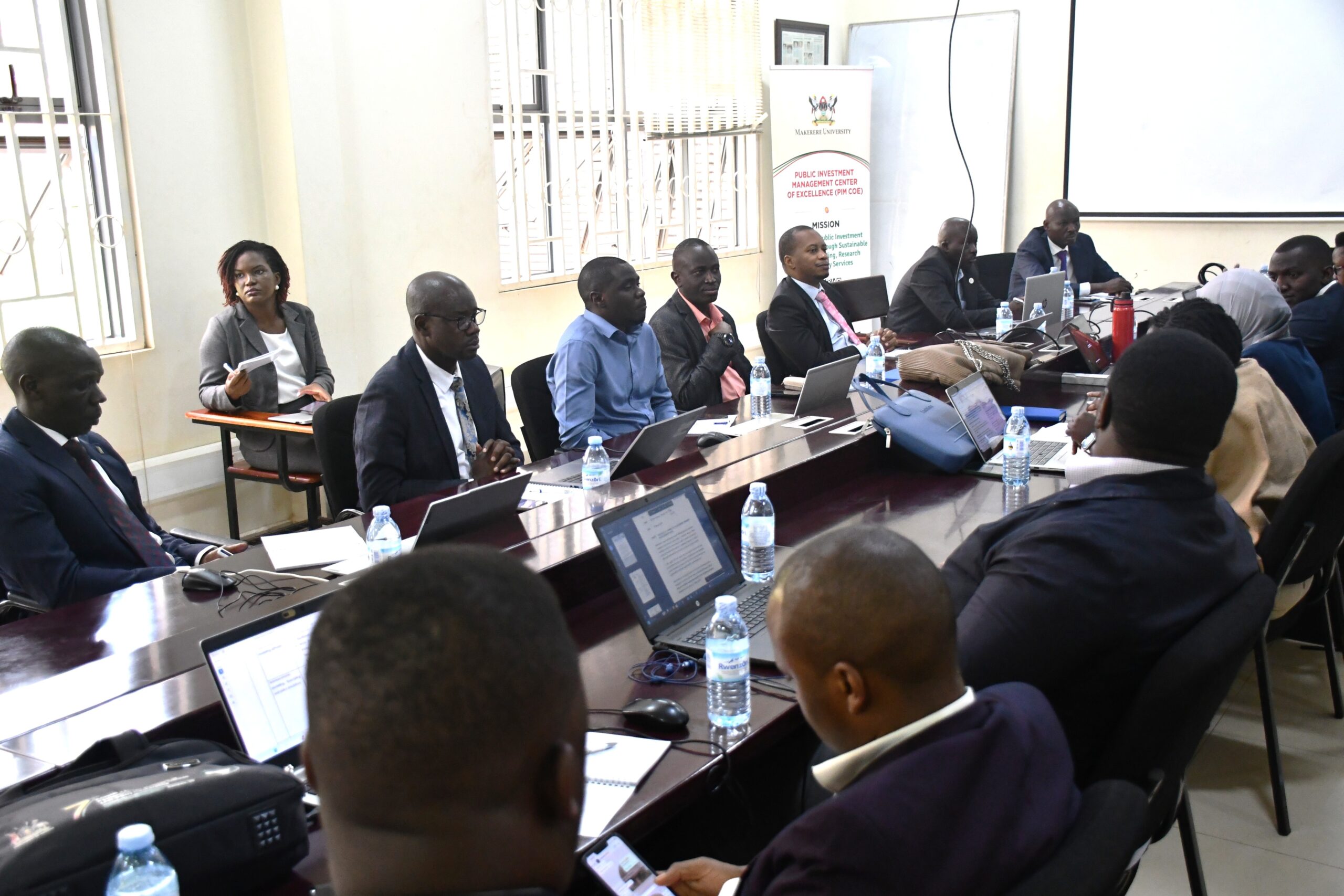
The Importance of Integrated Macroeconomic Modelling
Integrated Macroeconomic Models combine economic variables such as gross domestic product (GDP), government revenue and expenditure, inflation, debt, and investment into a coherent analytical framework. By using these models, analysts can test policy assumptions, forecast economic outcomes, and provide quantitative support for parliamentary decision-making.
Dr Babyenda highlighted that this approach is particularly useful for examining complex and interrelated policy questions, such as fiscal sustainability, sectoral investment priorities, and poverty reduction strategies.
“The ability to model the integrated effects of fiscal and economic policies allows Parliament to anticipate outcomes, assess trade-offs, and advise policymakers accordingly,” he said.
Strategic Partnership between Institutions
The five-day training programme reflects a strategic partnership among three institutions:
Parliament of Uganda, which seeks to strengthen internal analytical capacity and ensure high-quality oversight through the Parliamentary Budget Office.
Ministry of Finance, Planning and Economic Development, which provides technical guidance and access to the Government’s Integrated Macroeconomic Model.
Makerere University, which contributes academic expertise and methodological guidance through its Public Investment Management Centre of Excellence.
This tripartite partnership ensures that parliamentary analysts are trained in the same analytical frameworks and methods used in national fiscal planning, reinforcing both independence and technical quality in Parliament’s budgetary scrutiny.
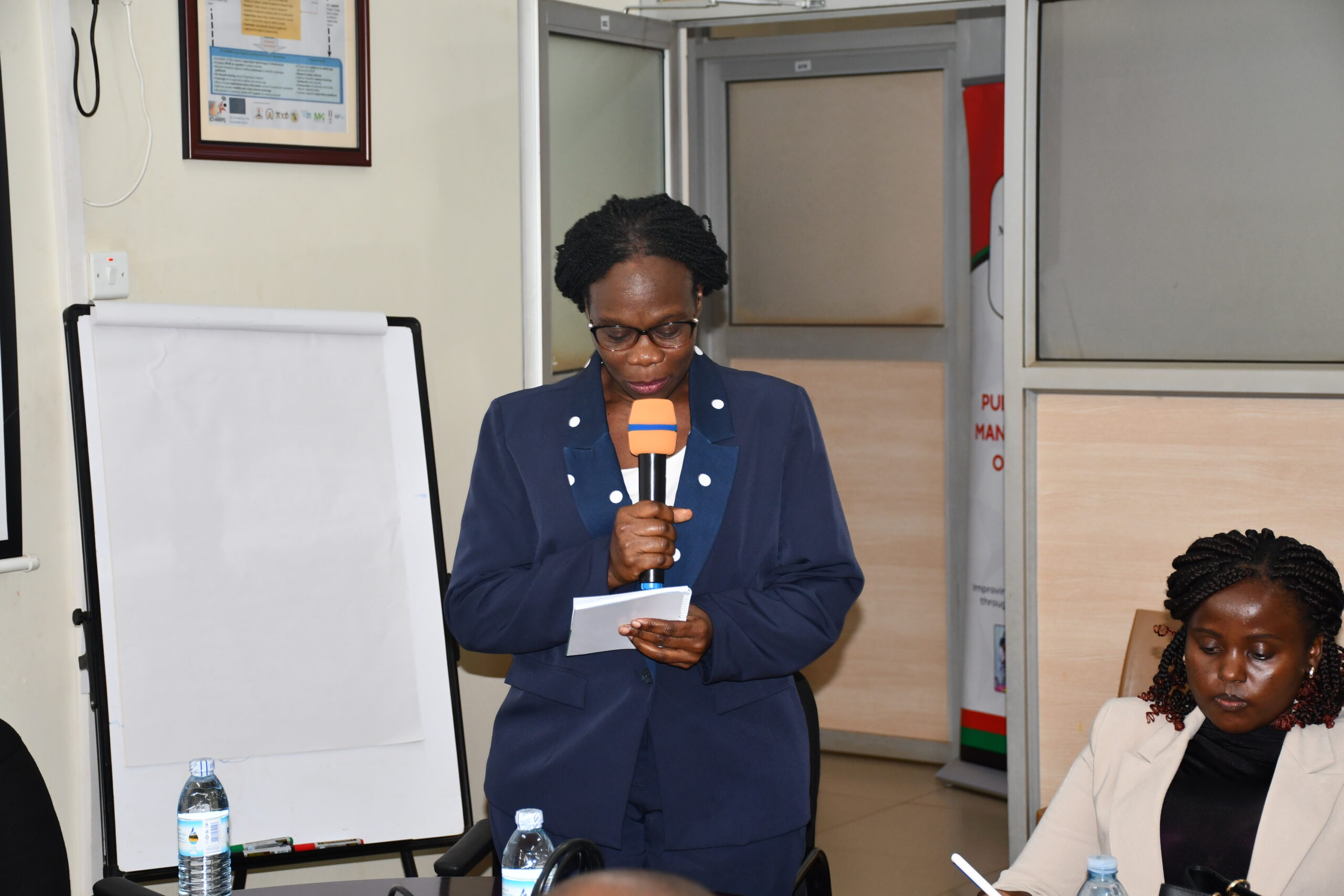
Strengthening Evidence-Based Decision-Making
The adoption of integrated macroeconomic modelling equips Parliament to critically evaluate budget proposals, anticipate policy outcomes, and provide actionable insights to Members of Parliament.
Analysts trained under this initiative will be able to simulate alternative scenarios, examine revenue and expenditure implications, and assess the distributional effects of policy measures on households, poverty, and inequality.
Mr Waiswa emphasized that this capacity is essential in an increasingly complex fiscal environment. “Parliament must be able to scrutinize policy choices rigorously and provide recommendations that safeguard public resources while promoting sustainable growth,” he said.
Building Sustainable Institutional Capacity
The training is not merely a technical exercise but a strategic investment in Uganda’s institutional capacity for fiscal oversight.
Professor Bbaale emphasized that sustainable oversight relies on competent personnel, robust analytical tools, and strong institutional frameworks. Dr Babyenda noted that hands-on exercises during the five-day training would ensure participants acquire skills that can be immediately applied to parliamentary analysis.
“The value of this training lies not only in knowledge acquisition but in practical application,” Dr Babyenda said. “It is through this application that Parliament can maintain rigorous oversight over public finances.”
Recognition of Partners and Supporters
The programme acknowledged contributions from multiple stakeholders.
Mr Waiswa expressed gratitude to the Ministry of Finance, Makerere University, and the Resource Enhancement and Accountability Programme (REAP) for their technical and financial support.
He also commended trainers for their dedication to building lasting analytical capacity, highlighting the importance of knowledge transfer in strengthening parliamentary oversight.
Implications for Uganda’s Fiscal Oversight
By integrating macroeconomic modelling into parliamentary analysis, Uganda is strengthening its ability to scrutinize budget proposals and anticipate the broader economic implications of fiscal policy.
Trained analysts can provide MPs with detailed assessments of revenue, expenditure, debt sustainability, and the distributional effects of policies. This ensures that Parliament can make informed decisions while maintaining transparency and accountability in public financial management.
Dr Babyenda emphasized that the ultimate measure of success will be the participants’ ability to translate training into practical application in parliamentary oversight.
The Role of Evidence-Based Analysis in Governance
Evidence-based analysis is critical for democratic governance. Parliament’s capacity to evaluate fiscal and economic policies rigorously ensures that decisions are guided by facts and rigorous modelling rather than political expediency.
Professor Bbaale highlighted that macroeconomic modelling allows for the exploration of “what-if” scenarios, enabling policymakers and parliamentary analysts to anticipate potential outcomes and adjust policy recommendations accordingly.
“This approach ensures that resources are allocated efficiently, policies are targeted effectively, and the potential social and economic impacts of fiscal decisions are fully understood,” he said.
Enhancing Parliamentary Oversight of Public Investments
Integrated Macroeconomic Models are particularly valuable for overseeing public investments. Analysts can assess the macroeconomic implications of proposed projects, estimate their long-term returns, and evaluate fiscal sustainability.
The PIM Centre of Excellence representative noted that Parliament can now use the model to examine proposed investments in sectors such as infrastructure, health, and education, providing Members of Parliament with robust evidence for debate and decision-making.
Hands-On Learning and Practical Application
The five-day training emphasizes practical exercises, allowing participants to apply theoretical knowledge to real-world scenarios. Participants learn how to:
1. Simulate alternative fiscal policy scenarios.
2. Evaluate revenue and expenditure implications.
2. Assess debt sustainability and macroeconomic stability.
4. Analyse distributional effects on households and communities.
5. Provide evidence-based recommendations to Parliament.
Dr Babyenda emphasized that the practical application of these skills is central to strengthening the effectiveness and credibility of the Parliamentary Budget Office.
Looking forward.
This programme sets a precedent for continuous capacity building in Uganda’s Parliament. By institutionalizing the use of Integrated Macroeconomic Models, Parliament ensures that its fiscal oversight remains robust, evidence-based, and responsive to emerging economic challenges.
The collaboration between Dr Peter Babyenda, Henry Waiswa, Professor Edward Bbaale, and the PIM Manager demonstrates the power of partnership between academia, government, and legislative institutions in building analytical capacity.
The five-day Integrated Macroeconomic Modelling training represents a pivotal step in enhancing Uganda’s parliamentary capacity for fiscal oversight.
By equipping PBO staff with advanced modelling skills, Parliament strengthens its ability to evaluate budget proposals rigorously, anticipate economic outcomes, and provide independent, evidence-based advice to Members of Parliament.
