Advancing Gender Equality: Makerere University Press Launches the Book Gender, Social Norms and Agency: Perspectives from East Africa to Shape the Future of Gender Justice
By wilber Tumutegyereize
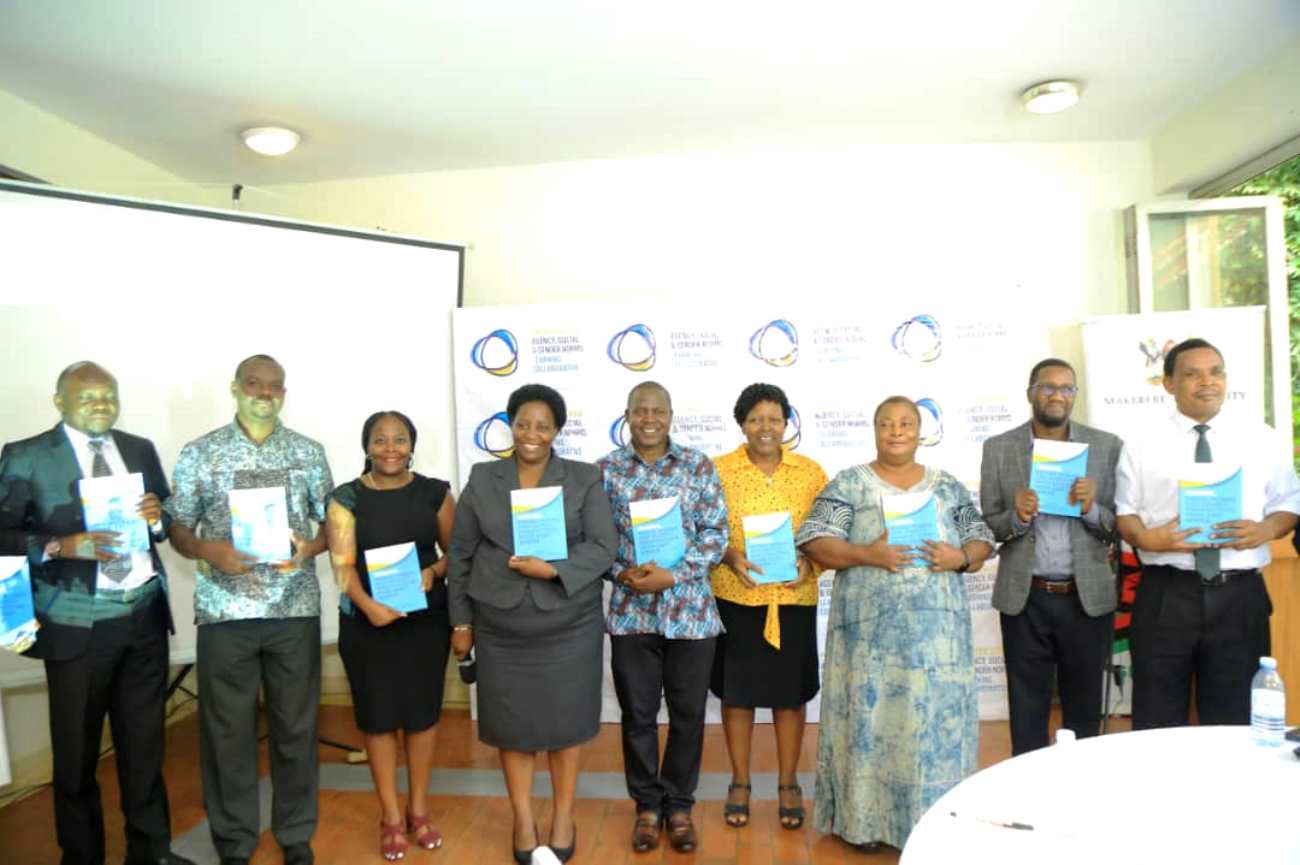
Kampala, Uganda — In a significant event that fused academia with practical activism, Makerere University Press launched the highly anticipated book “Gender, Social Norms and Agency: Perspectives from East Africa” at the Golf Course Hotel in Kampala. Edited by Professor Paul Bukuluki and Dr. Daphine Agaba Kabagambe. this book represents a crucial contribution to the field of gender studies, focusing on the complex interplay between gender, social norms, and agency across East Africa.
The book’s launch brought together scholars, development practitioners, and activists who are committed to advancing gender equality, social justice, and transformative change in the region. It marks a pivotal moment in the ongoing dialogue around gender, social norms, and how these deeply rooted cultural forces shape the experiences of women, men, and marginalized groups in East Africa.
Mr. Aloysius Nyombi, The Technical Advisor, Social Norms. As a key partner in the creation of the book set the tone for the evening by celebrating the collaborative efforts that brought together a diverse group of researchers and practitioners.
“The launch of this book is a celebration of collaboration,” Nyombi stated. “We are here not just to celebrate an academic achievement, but also to honor the work that’s being done in communities across East Africa. What we are doing on the ground must be documented, and it must be accessible to all.”
Nyombi’s comments highlighted the importance of bridging the gap between research and real-world application, underscoring the value of such academic works for informing policy and driving social change. His emphasis on collaboration between researchers, NGOs, and practitioners reinforced the book’s focus on addressing gender-related issues in a tangible and actionable way.
The Power of Local Expertise:
Dr. Ruth Nsibirano, The Director of the Institute of Gender and Development Studies at Makerere University spoke passionately about the significance of the book in deepening the understanding of gender norms within the East African context. She stressed the need for locally relevant research that reflects the lived experiences of communities.
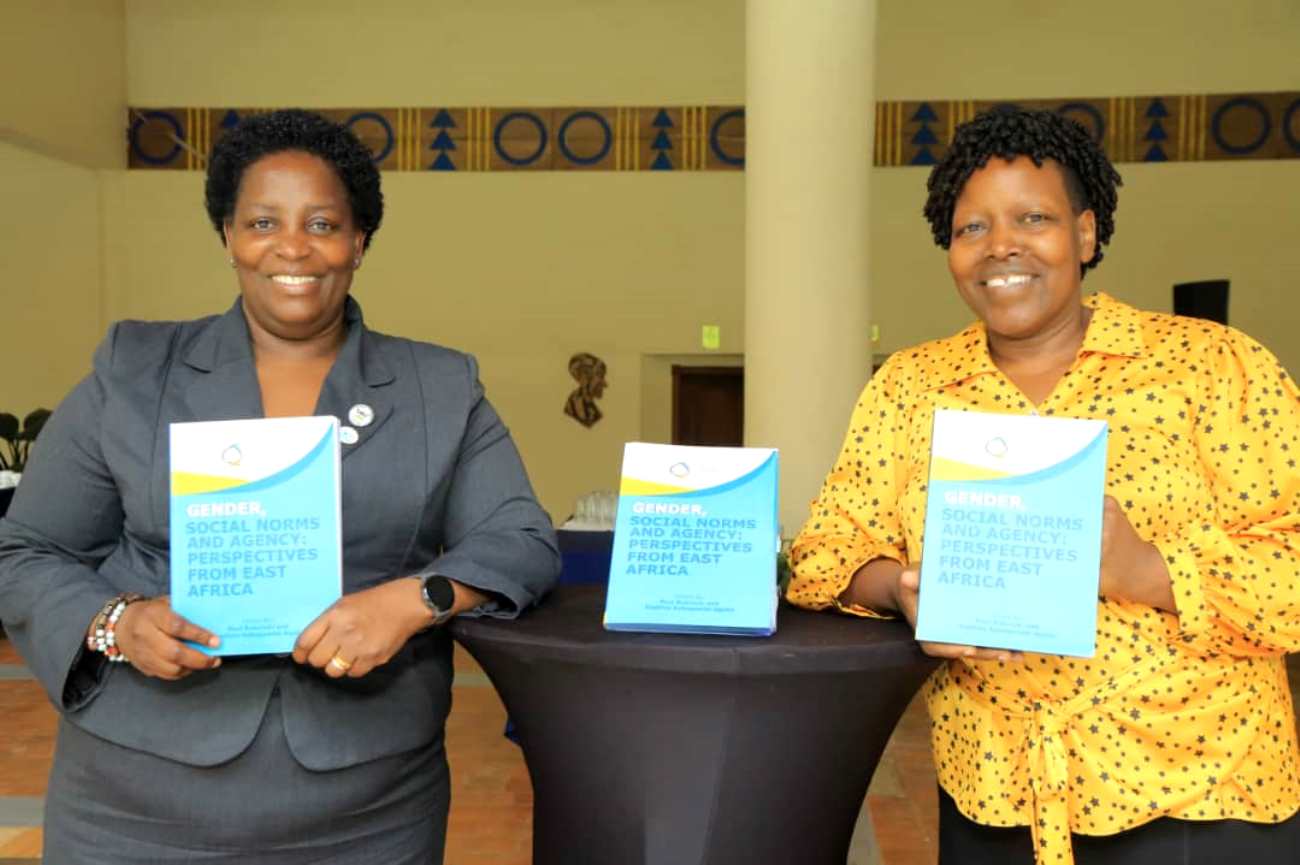
“This book is not just an academic publication; it is a tool for social change,” Dr. Nsibirano said. “It provides us with a critical lens through which we can examine the norms and practices that continue to shape gender roles in our societies. Understanding these dynamics is crucial for making lasting change.”
Dr. Nsibirano emphasized the importance of the book’s multidisciplinary approach, which brings together academic scholars, field practitioners, and activists to create a well-rounded narrative. Her reflections resonated deeply with the audience, who were united in their shared commitment to gender equality.
A Vision for Collaborative Academia
Professor Helen Nambalirwa Nkabala, the Principal of Makerere University’s College of Humanities and Social Sciences underscored the importance of institutional support and collaboration in academic publishing. Representing the Chief Guest, Professor Sarah Ssali, the First Deputy Vice Chancellor (Academic Affairs) at Makerere University, Professor Nkabala conveyed her pride in the academic community’s collective effort to produce the book.
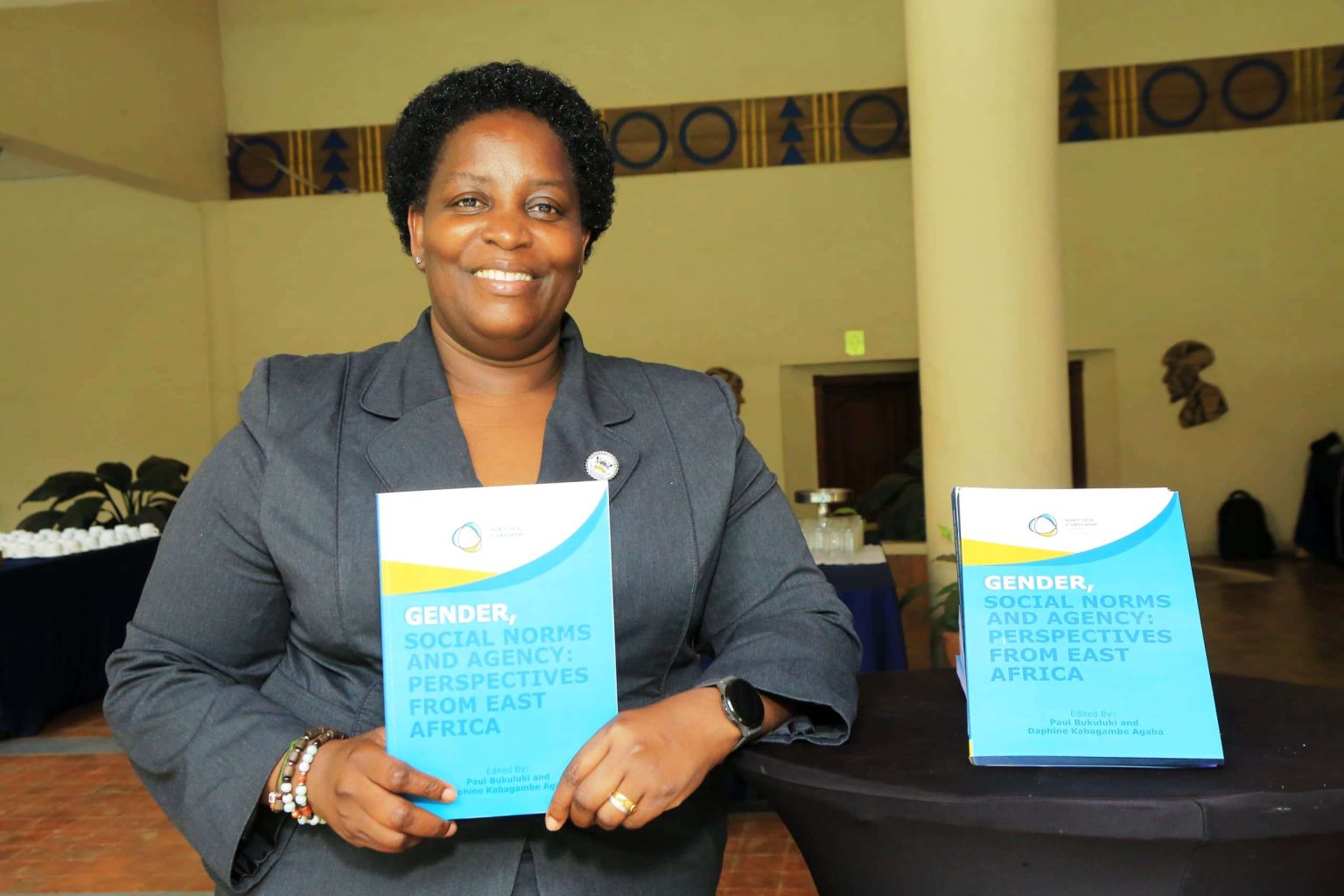
“It is an honor to be part of this project, which is a true reflection of the collaborative spirit at Makerere University,” Professor Nkabala said. “This book is a testament to the commitment of our researchers, students, and faculty members who are dedicated to addressing the most pressing social issues of our time.”
Professor Nkabala spoke about the increasing urgency to address issues such as unpaid care work, child marriage, and violence against women, topics that the book explores in depth. She praised the book for its holistic approach, combining theory and practice to offer insights that can be directly applied to social and policy interventions.
“The power of this book lies in its ability to challenge harmful gender norms and provide solutions that can transform societies,” she said.
The book’s co-editors, Dr. Daphine Agaba Kabagambe and Professor Paul Bukuluki, who shared the journey of bringing the book to fruition, expressed their deep commitment to shedding light on the social norms that influence gender behavior in East Africa and how such norms can be transformed for greater gender equality.
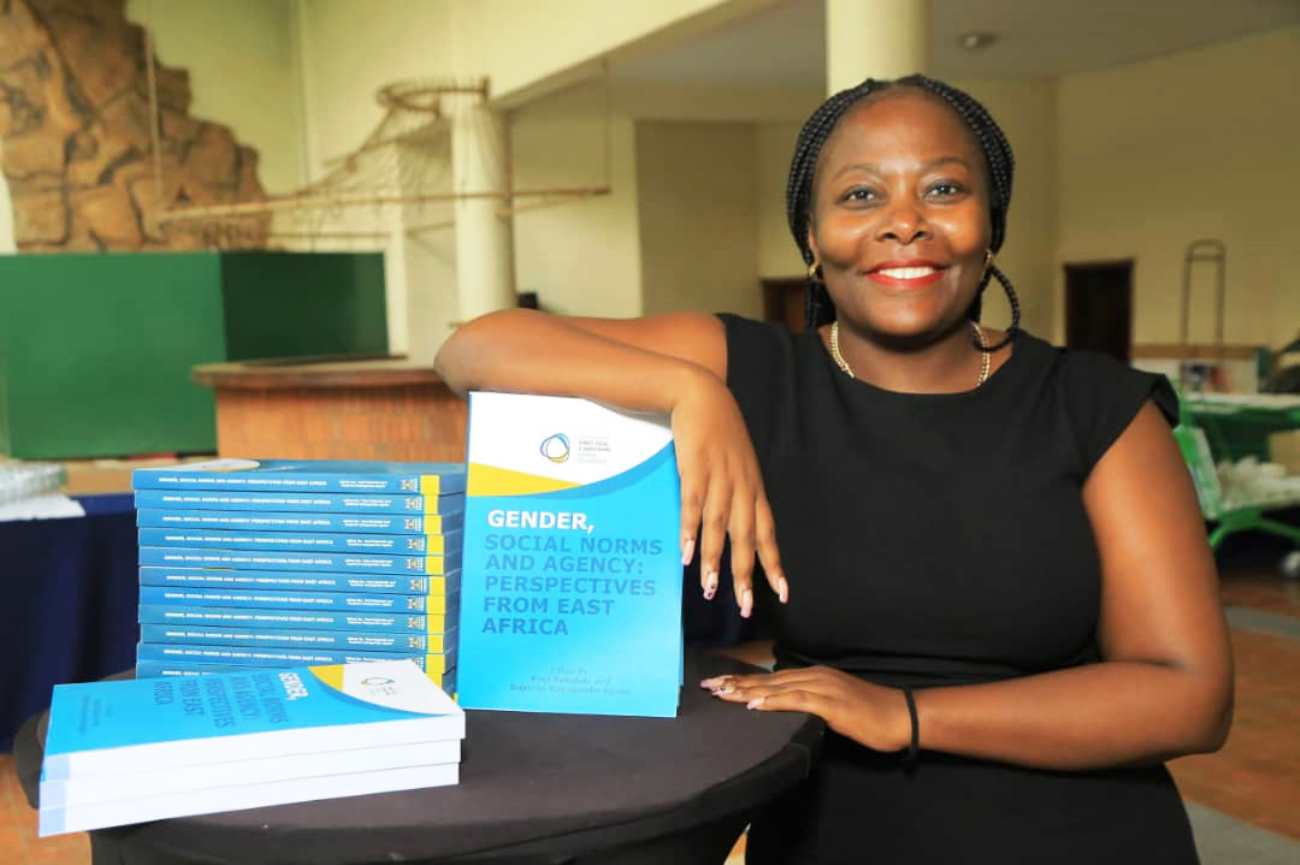
Dr. Agaba Kabagambe, a senior lecturer at Makerere University, reflected on the importance of examining how social norms in East Africa influence the lives of women, men, and children. She noted that while much of the discourse around gender focuses on laws and policies, there is still a significant gap in understanding how entrenched norms and cultural practices impact the real-life experiences of individuals.
“We wanted this book to serve as both a scholarly resource and a practical guide for those working to change societal behaviors,” Dr. Agaba Kabagambe explained. “The research inside this book offers a deeper understanding of how gender and social norms shape our world, and it provides us with tools to challenge and change those norms.”
Professor Bukuluki, expanded on the book’s focus on action-oriented research. He noted that while the book provides theoretical insights into gender norms and agency, it also includes valuable contributions from field practitioners working in communities across East Africa. These chapters are crucial for bridging the gap between academia and the grassroots work being done to promote gender equality.
“This book reflects the intersection between theory and practice,” Professor Bukuluki explained. “We wanted to include not only the academic perspective but also the voices of those who are working in the field, dealing with the realities of gender inequality on a daily basis.”
The book is structured around 13 chapters that explore themes such as unpaid care work, the impact of technology on gender roles, and communication about sexuality. These chapters bring together academic theory with practical insights from development practitioners and community leaders across Uganda, Tanzania, Kenya, and beyond.
The Role of Makerere University Press
Mr. Elvis Lubanga, representing Dr. William Tayebwa, the Chief Managing Editor of Makerere University Press, highlighted the press’s pivotal role in bringing the book to life. Lubanga’s remarks underscored the importance of publishing local research that meets international academic standards while remaining grounded in the realities of East African communities.
“At Makerere University Press, we take pride in producing works that reflect the unique challenges and opportunities of the Global South,” Lubanga said. “This book is not just an academic text; it is an important contribution to the ongoing conversation about gender equality and social transformation.”
Lubanga emphasized the press’s commitment to ensuring that local knowledge and research are accessible to global audiences, while also supporting the work of local scholars. He noted that the book is available both in print and online, making it accessible to readers across East Africa and the wider world.
Dr. Aramanzan Madanda representing Mr. Apolo Gabazira the Country Director of CARE International Uganda, shared the organization’s appreciation for the book, noting how it aligns with CARE’s mission to empower women and girls and address gender-based inequalities in East Africa.
“CARE Uganda has long been committed to addressing the root causes of gender inequality,” Dr. Madanda said. “This book is a crucial tool for organizations like ours, helping us better understand the social norms that perpetuate gender-based violence and other forms of inequality.”
Mr. Yiga Deo, Executive Director of the Impact and Innovation Development Center (IIDC), highlighted the importance of bridging the gap between academic research and community action, emphasizing that sustainable gender equality requires locally informed, innovative approaches. Mr. Deo urged collaboration between universities, civil society, and policymakers to ensure that research informs real-world interventions. He called for a reimagining of development practices that center on culture as a foundation for progress, ensuring that knowledge translates into lasting, transformative change.
Through the launch of “Gender, Social Norms and Agency: Perspectives from East Africa”, Makerere University Press has provided a much-needed resource that will inspire further research, action, and policy reform. The book’s insights will not only enrich the academic community but also inform the work of development practitioners, policymakers, and activists who are striving to create a more just and equal East Africa.
As Dr. Daphine Agaba Kabagambe aptly stated, the book is a “bridge between theory and practice,” and it will undoubtedly be an essential resource for anyone committed to understanding and challenging the social norms that shape gendered behavior across East Africa.
The launch of “Gender, Social Norms and Agency: Perspectives from East Africa” is a landmark moment in the ongoing quest for gender equality and social justice in the region. With contributions from leading scholars, development practitioners, and gender experts, this book provides an invaluable resource for those seeking to understand and transform the gendered social norms that impact millions of lives in East Africa. The collaboration between Makerere University Press, scholars, and community-based organizations highlights the importance of a unified effort to address the region’s most pressing gender-related issues.
Through its innovative approach, combining theory and practice, this book promises to be a catalyst for change in the fight for gender equality and social transformation across East Africa.
