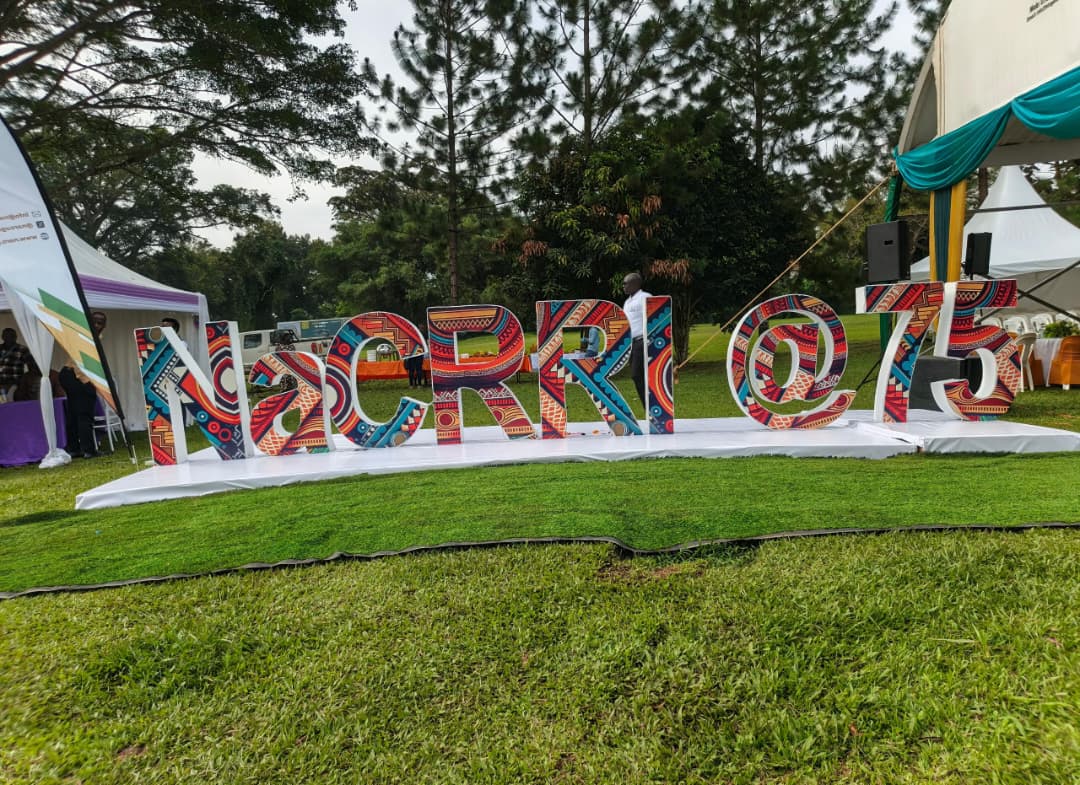
Namulonge, Wakiso District — Uganda’s National Crops Resources Research Institute (NaCRRI) has marked 75 years of groundbreaking agricultural research, celebrating a journey defined by science, innovation, and an unwavering commitment to national food security. Established during the colonial era to support the cotton industry, NaCRRI has evolved into a premier center for crop research—driving technologies that continue to transform farming and uplift livelihoods across the country.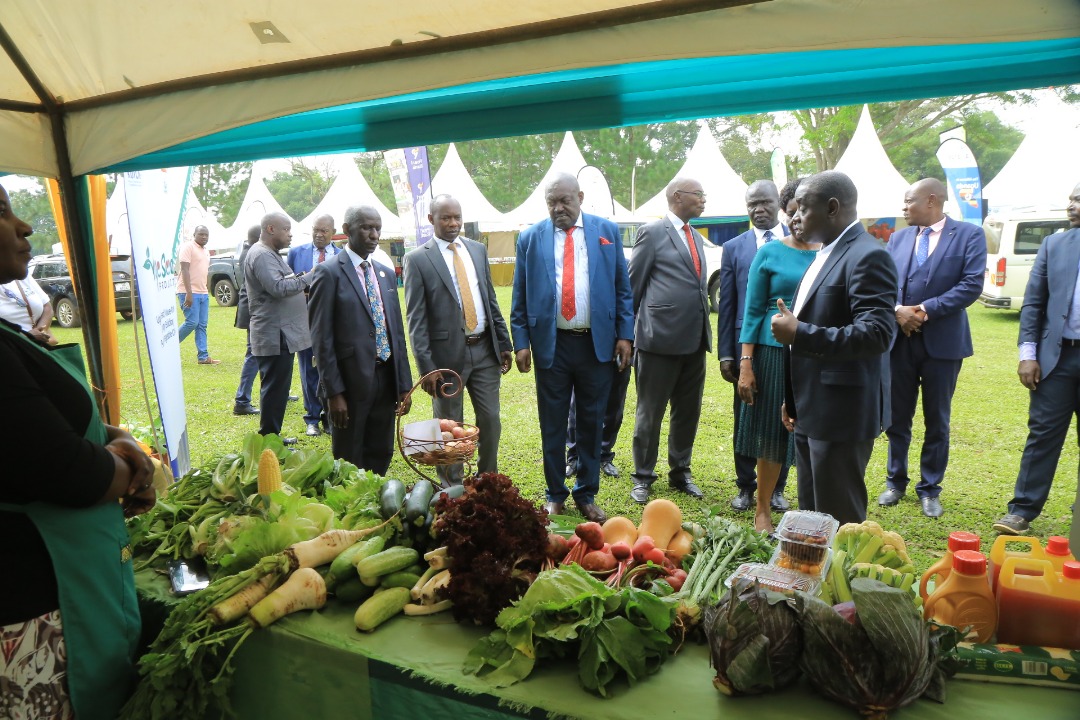
The anniversary celebration, held at the institute’s headquarters in Namulonge, attracted scientists, policymakers, development partners, diplomats, and farmers, all gathered to reflect on NaCRRI’s past achievements and chart a path for the future.
A Legacy Rooted in Science and Resilience
Dr. Titus Alicai, Director of Research at NaCRRI, highlighted the institute’s rich history and its pivotal role in shaping Uganda’s agricultural trajectory.
“From cotton fields to modern laboratories developing improved crop varieties, our story is one of resilience and scientific excellence,” he said. “NaCRRI has been central to Uganda’s agricultural evolution, and we remain committed to delivering technologies that support farmers, ensure food security, and strengthen our economy.”
Over the decades, NaCRRI has made significant contributions in cassava research, maize improvement, rice development, sweet potato innovations, and climate-resilient crop varieties that are now widely adopted nationwide.
NARO Pledges Continued Support to Uganda and the Region
Dr. Yona Baguma, Director General of the National Agricultural Research Organisation (NARO), commended the government and partners for their sustained support.
“Our scientists cannot deliver without facilitation,” he emphasized. “We appreciate the government and our partners for standing with us. On behalf of NARO, I pledge that we shall continue serving Uganda and the region with dedication and excellence.”
He reaffirmed NARO’s commitment to agricultural transformation through research and technologies tailored to farmers’ needs.
Japan Applauds NaCRRI’s Milestone
Japan’s Ambassador to Uganda, H.E. Takuya Sasayama, congratulated NaCRRI on reaching its 75-year landmark and praised Uganda for maintaining strong bilateral cooperation in agriculture—particularly through the Japan International Cooperation Agency (JICA).
“Japan has trained over 40,000 farmers in Uganda through capacity-building programs,” he noted. “Local leaders confirm that rice farmers’ livelihoods have greatly improved. We commend the excellent work by JICA teams who continue to support Uganda’s agriculture sector.”
Japan remains a key partner in rice promotion, mechanization, irrigation, and pest management.
NARO Council Salutes Founders and Generations of Scientists
Dr. William Olaho Mukani, Chairperson of the NARO Council, paid tribute to the foundations laid by the British colonial government and the generations of Ugandan scientists who have propelled the institute’s growth.

“NaCRRI has played a major role in transforming agriculture and improving livelihoods through research and training,” he said. “We recognize both past and present scientists whose dedication, mentorship, and innovations continue to shape Uganda’s agricultural landscape.”
He emphasized that NaCRRI’s legacy is built on decades of scientific rigor, knowledge transfer, and service to national development.
Minister Kyakulaga Calls for a Shift from Raw Material Exports
The State Minister for Agriculture, Animal Industry and Fisheries, Hon. Fred Bwino Kyakulaga, who presided over the event as Chief Guest, delivered a strong message on the need for Uganda to transition from exporting raw materials to value-added products.
“It is discouraging that after 75 years, we still grow crops, harvest them, and sell them raw,” he said. “Other countries add value and sell the products back to us at 10 or even 20 times the price. This must stop.”
The minister emphasized that Uganda has already banned the export of raw minerals and will gradually phase out the exportation of raw agricultural produce.
“When we sell raw materials, we donate value and jobs to other countries. This must change. I have challenged NaCRRI to align its research agenda with the government’s aspirations for value addition.”
He urged NaCRRI to prioritize research that drives agro-industrialization, processing, and enhanced competitiveness of Ugandan products.
Celebrating Scientists Who Built the Institution
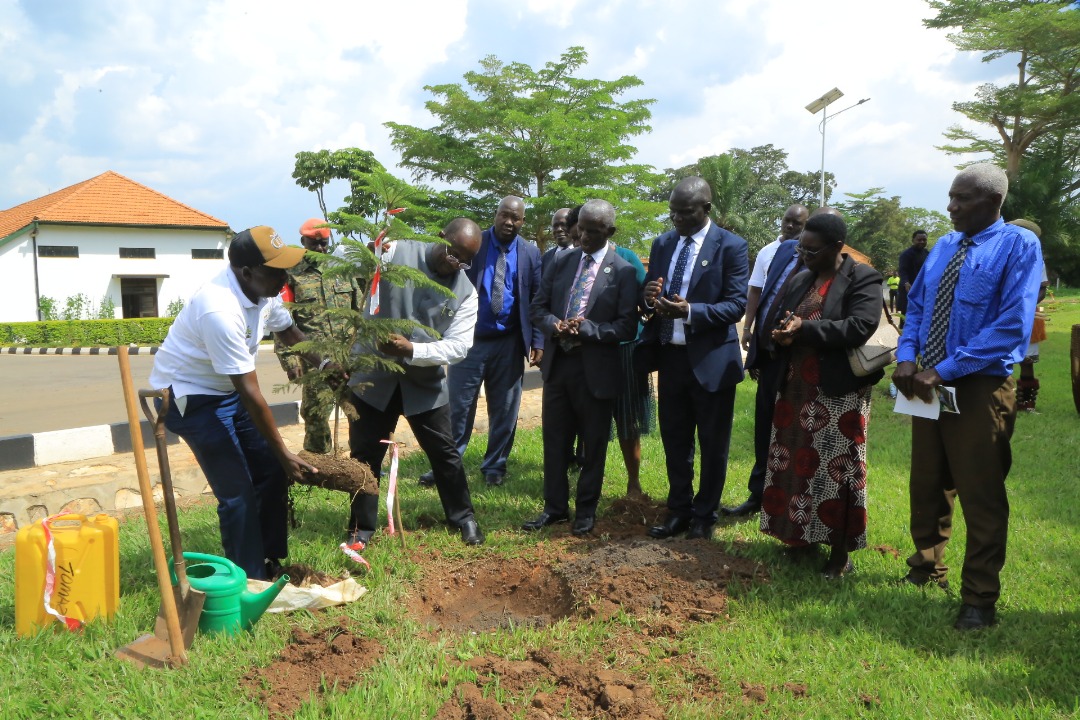
The ceremony honored long-serving scientists whose decades of dedication contributed to NaCRRI’s growth. Their work in crop breeding, pest and disease management, seed systems, and farmer capacity-building has been instrumental in shaping Uganda’s agricultural story.
Exhibitions Showcase Uganda’s Strength in Crop Innovation
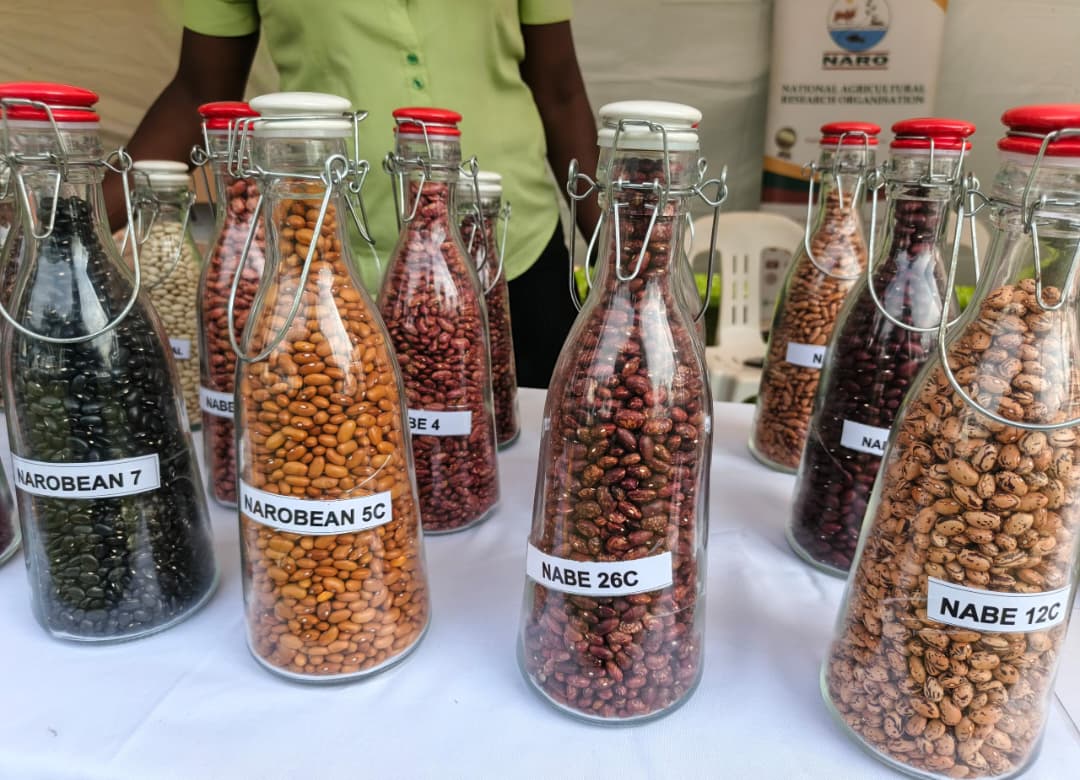
The event featured exhibitions of improved crop varieties, innovative technologies, and climate-smart solutions developed by NaCRRI. These included breakthroughs in cassava brown streak disease management, hybrid maize, improved beans, pest-resistant rice, and high-yielding oil crops.
Farmers, researchers, and students interacted across the displays, underscoring NaCRRI’s impact on scientific advancement, community livelihoods, and national food security.
A Future Anchored in Innovation and Value Addition
As NaCRRI embarks on its next chapter, leaders called for greater investment in research, capacity building, and commercialization of innovations to address emerging challenges—from climate change to market competitiveness.
The institute reaffirmed its commitment to supporting farmers with improved seeds, technologies, and evidence-based solutions that will guide Uganda toward full agricultural transformation.
For 75 years, NaCRRI has planted the seeds of progress. Its future promises even greater harvests for Uganda and the region.
