By Tumutegyereize Wilber, Umoja Standard.
Kampala-Uganda: In a remarkable celebration marking six decades of diplomatic engagement, Uganda and Australia reaffirmed their enduring partnership rooted in mutual respect, shared values, and common aspirations for development, stability, and prosperity.
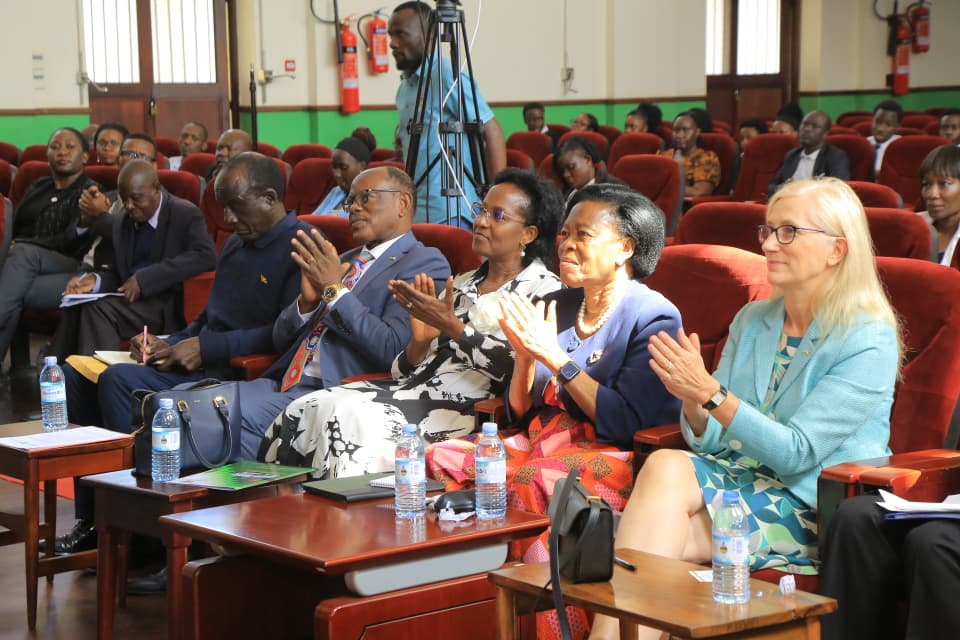
The historic milestone was commemorated through a series of events held at Makerere University in Kampala, bringing together government officials, diplomats, academics, alumni, civil society representatives, and development partners from both nations.

The anniversary not only celebrates the long-standing relationship but also highlights the vibrant, multifaceted collaboration that continues to evolve, delivering tangible benefits across education, research, trade, development cooperation, cultural exchange, and regional security.
A Foundation Built on Mutual Recognition and Early Engagement Diplomatic relations between Uganda and Australia formally began in 1963, shortly after Uganda gained independence from British colonial rule.
This period marked the start of a strategic partnership grounded in mutual recognition of potential and shared interests. Australia, a nation committed to democracy, development, and regional stability, saw Uganda as a vital partner in Africa’s emerging post-independence landscape.
H.E. Mrs. Jenny Da Rin, the Australian High Commissioner to Uganda, reflected on those early days, emphasizing that the relationship originated from a mutual recognition of the potential for collaboration.
According to her, “Our relationship began with a mutual recognition of the potential for collaboration. Australia was eager to support Uganda’s development journey, and Uganda welcomed the friendship of a nation committed to democracy and progress.” In its initial stages, the relationship focused on establishing diplomatic channels, trade relations, aid, and technical assistance.
Australia’s interest was driven by a desire to foster stability and development across Africa, aligning with its broader foreign policy objectives of promoting peace, good governance, and economic growth.
These early efforts laid the groundwork for a partnership that would grow in scope and depth over the coming decades. Evolution into a Vibrant, Multifaceted Partnership Over the past sixty years, the relationship between Uganda and Australia has matured into a comprehensive partnership that spans a broad spectrum of areas.
From education and research to trade, development assistance, and cultural exchange, the partnership exemplifies how two nations can build a robust and mutually beneficial relationship. Education and Research: Pillars of the Partnership One of the most impactful dimensions of the Uganda-Australia relationship has been in education and research.
Australian universities have played a critical role in supporting Uganda’s higher education sector through scholarships, academic exchanges, joint research initiatives, and capacity-building programs. Since the late 1960s, thousands of Ugandans have studied in Australia, many of whom have become influential leaders across sectors
Mr. Patrick Karugaba, representing the Australian Alumni Association in Uganda, underscored the transformative power of Australian scholarships. He highlighted that these scholarships have changed individual lives and contributed significantly to Uganda’s development.
The alumni community continues to serve as a vital bridge, fostering ongoing collaboration, knowledge exchange, and mentorship. Many alumni have risen to prominent positions in government, academia, business, and civil society, reinforcing the bonds of friendship and cooperation. Makerere University’s Role and Regional Research Initiatives
Makerere University, Uganda’s premier institution of higher learning and a regional academic hub, has a deep connection with Australian universities.
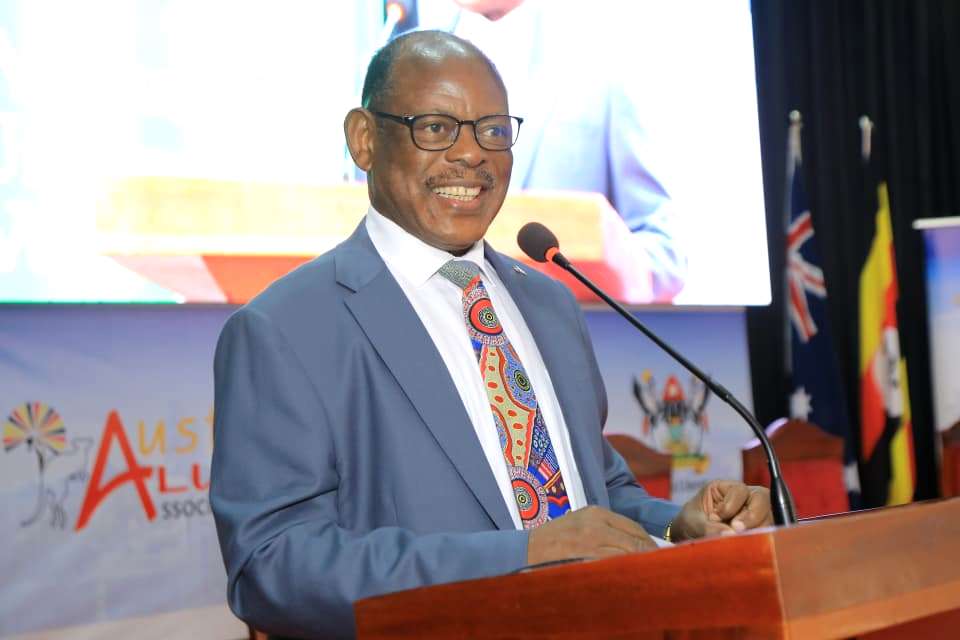
The Vice Chancellor of Makerere University Professor Barnabas Nawangwe emphasized the importance of these collaborations, highlighting ongoing joint research projects that address critical regional issues such as food security, climate change, and cultural preservation.
One notable initiative involves partnerships with the University of Western Australia and the University of New South Wales to develop faster-cooking bean varieties aimed at improving food security across East Africa. This project has already achieved significant milestones, reducing cooking times from three hours to just 30 minutes, an innovation with profound implications for energy conservation, nutrition, and household welfare.
Another exciting project involves digitizing Uganda’s historical archives, including recordings from the Idi Amin era, in collaboration with Australian universities. This effort aims to preserve Uganda’s rich cultural heritage for future generations and strengthen historical research.
Research collaborations extend to managing food waste, especially in the aftermath of environmental disasters such as landfill collapses. These initiatives exemplify how Australian-Ugandan partnerships are addressing regional challenges with practical solutions.
Building a Vibrant Alumni Network and Cultural Ties. Uganda’s relationship with Australia is further strengthened by a vibrant community of alumni, Ugandans who have studied in Australian institutions and now serve as ambassadors of friendship and collaboration.
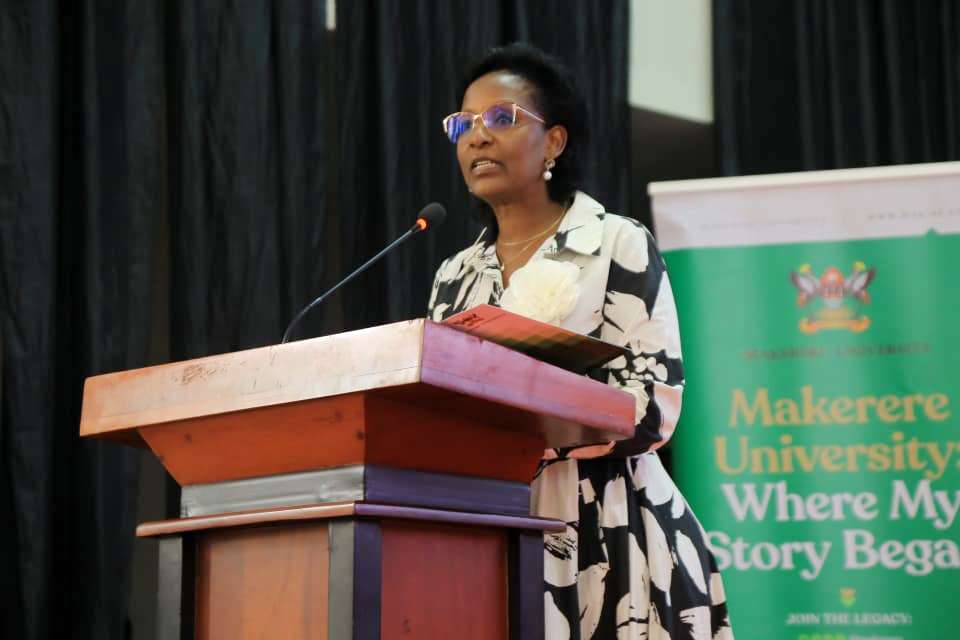
Mrs.Lorna Magara the Chairperson Makerere University Council stressed that over the decades, this partnership has become a model of educational diplomacy, built on mutual respect, shared values, and a commitment to knowledge-driven development. She emphasized that Makerere University has been a key beneficiary and contributor to this collaboration.
She highlighted the six pillars of the partnership: the evolution from foundational educational diplomacy to joint research and innovation; capacity building through Australian scholarships for Ugandan students; collaborative research addressing critical issues like health and agriculture; curriculum reform supported by Australian expertise; Makerere’s role as a regional hub for knowledge and innovation; and mutual enrichment, where both nations learn from each other’s experiences.
Mrs. Magara expressed her optimism for the future, emphasizing the importance of deepening collaborations to tackle emerging challenges such as technology, climate change, and health.
She reaffirmed Makerere University’s commitment to advancing research, nurturing partnerships, and strengthening Uganda’s global academic presence.
Mr. Patrick Karugaba highlighted that the Australian Alumni Association in Uganda promotes professional excellence, social impact, and enduring friendships. The association’s activities include mentorship programs, professional development, and fostering collaboration across sectors.
Many Ugandan scholars who studied in Australia have gone on to occupy influential roles, educators, policymakers, entrepreneurs, and innovators, contributing to Uganda’s growth while maintaining strong ties with Australia.
The continued support of Australian universities and government agencies ensures that this exchange remains vibrant and impactful. Celebrating Educational and Developmental Achievements During the celebrations, key figures emphasized the transformative impact of education and development aid.
The Vice Chancellor of Makerere University shared amusing anecdotes about Australian diplomatic representatives lamenting the low number of Ugandan students studying in Australia, an issue partly attributed to the embassy’s location in Kenya, which made it less accessible for Ugandans. Despite these logistical challenges, the number of Ugandan students in Australia has increased steadily, thanks to scholarships, awareness campaigns, and strengthened institutional partnerships.
The Vice Chancellor highlighted ongoing research collaborations with Australian universities focused on critical issues, such as developing climate-resilient agriculture, digitizing cultural archives, and managing urban waste. These projects not only address regional challenges but also exemplify how international partnerships can foster innovation and sustainable development.
Furthermore, Makerere University’s role as a regional research hub fosters knowledge exchange beyond Uganda, benefiting neighboring countries and the wider East African region. The university’s active participation in the Australia-Africa Universities Network (AAUN), where the Vice Chancellor serves as vice-chairperson, exemplifies the strategic importance of regional academic collaboration.
This platform unites African and Australian universities in joint research, capacity-building, and diplomatic engagements, contributing to regional stability and development. Political and Diplomatic Leadership:
David Mpanga underscored the importance of the longstanding relationship, expressing gratitude and optimism about its future trajectory. During a public lecture, he acknowledged the positive influence of Australia’s aid programs and the vital role played by the Australian-Ugandan alumni association in fostering cultural and knowledge exchange. Mpanga highlighted the economic dimension of the relationship, noting that trade volume between the two countries has grown to around $2 billion.
He emphasized that this growth underscores the significance of leveraging economic power, strengthening trade ties, and translating educational investments into meaningful economic partnerships.
The Australian High Commissioner to Uganda praised the deepening of diplomatic ties rooted in shared values and the Commonwealth framework. She underlined Australia’s ongoing commitment to supporting Uganda’s development through health, education, agriculture, and climate resilience projects.
Australia’s aid programs, amounting to approximately $30 million annually, are implemented in partnership with multilateral organizations such as the UN, World Bank, GAVI, and the Global Fund. These initiatives have helped improve health outcomes, boost food security, and promote climate adaptation in vulnerable regions like Karamoja.
Ambassador Mull Sebujja Katende highlighted the strong friendship between Uganda and Australia since independence. He shared how Australia has played a significant role in Uganda’s development, especially through educational scholarships that enabled many Ugandan students to study abroad and contribute to their country.
He emphasized Australia’s strategic decisions, such as changing its voting patterns in the UN to better align with Africa, which helped strengthen cooperation. The ambassador also discussed the growing trade relationship, noting that current trade figures reach around 7.6 billion dollars, reflecting a promising partnership.
He stressed the importance of leveraging this power for mutual benefit, including facilitating visas and fostering business collaborations. He praised Australia’s commitment to education as a vital program that shapes future leaders, and shared personal experiences of the strong bonds formed through student exchanges.
Additionally, he pointed out Australia’s efforts to maintain ongoing contact with its students and support their growth. Overall, his message underscored the importance of continued collaboration, mutual respect, and strategic engagement to deepen the Uganda-Australia relationship, ensuring both nations thrive through shared opportunities and partnerships.
The impact of Australian aid in Uganda
Dr. Sarah Bimbona shared her inspiring journey from studying at Makerere University to pursuing her PhD through an online scholarship awarded by Monash University in Australia. She emphasized Australia’s generosity and the transformative impact of their support, including her own academic achievements, social connections, and professional growth.
She recounted her experience studying at the University of Sydney, highlighting cultural differences, such as Australian English and local customs, which enriched her understanding. Dr. Bimbona underscored how studying abroad provided her with opportunities to travel, connect with global networks, and return to Uganda equipped with knowledge to contribute to her country’s development.
She also reflected on the importance of social networks built during her studies, which continue to benefit her work today. Her message celebrates the significant role Australia plays in empowering Ugandan students, fostering international collaboration, and strengthening bilateral relations.
She encouraged Ugandan youth to seize such opportunities, highlighting that international education and partnerships are vital for Uganda’s growth and development.
Professor Kiiza Julius shared humorous insights from his academic journey in Australia, particularly at the University of Sydney, highlighting the cultural nuances and Australian English differences.
He joked about the prestige associated with studying at top Australian universities like Sydney and the importance of aiming higher academically. He emphasized that Australian universities, established in the 1850s, have a rich history of excellence. Professor Kiiza reflected on how studying abroad expanded his horizons, giving him opportunities to connect with global institutions like the University of Cambridge for postdoctoral research.
He praised Australia’s strong governance, which fosters a clean, transparent environment crucial for development. He also discussed Australia’s political landscape, noting the differences and similarities with Uganda’s one-party system, and the progressive social policies of Australian political parties, especially regarding welfare and diversity issues.
He pointed out that the main barriers to Uganda-Australia trade are geographical distance and reliance on raw exports, but stressed the potential for industrial transformation and human capital development.
His message underscored that while political ideologies differ, mutual respect and strategic partnerships can foster stronger economic ties, emphasizing the importance of good governance and shared values in boosting bilateral relations.
Ms. Jemimah Schilling, the Australian Trade Commissioner to Africa, explained how Australian businesses and Uganda can enhance trade relations despite the absence of a physical Australian embassy in Uganda. She highlighted Austrade’s role in facilitating trade by identifying market opportunities, supporting Australian companies to export, and assisting local Ugandan businesses interested in importing Australian products.
Jemimah encouraged Ugandan entrepreneurs to participate in trade fairs and connect with Australian companies through platforms like Africa Down Under and upcoming exhibitions such as Gulf Food. She emphasized the importance of collaboration and the support available from both the Australian High Commission and Ugandan trade authorities.
He assured that even without a local Australian office, there are active efforts to strengthen trade ties by providing market analysis, registration support, and troubleshooting. She invited Ugandan businesses to reach out for assistance and stressed that building strong trade relationships requires proactive engagement, open communication, and leveraging international platforms.
Ultimately, her message was one of partnership, encouraging Ugandan entrepreneurs to explore opportunities for importing Australian products and expanding exports to Australia, fostering mutual economic growth.
Mr. Kalibala emphasized the importance of strengthening Uganda-Australia trade relations through strategic partnerships and mutual understanding. He highlighted the potential for Ugandan businesses to benefit from Australian expertise in sectors such as agriculture, education, and technology.
Kalibala pointed out that despite the geographical distance, innovative communication and trade platforms can bridge the gap, creating opportunities for collaboration. He encouraged Ugandan entrepreneurs to leverage available support systems, including trade fairs and government programs, to explore Australian markets and attract investment.
Kalibala also stressed the significance of capacity building and skill development in Uganda to meet international standards, making local products more competitive in the Australian market.
The 60th anniversary of diplomatic relations between Australia and Uganda is a testament to what can be achieved through friendship, shared values, and a mutual desire to improve lives.
