By Julius Mugaga Tukacungurwa | Umoja Standard.
MUKONO, Uganda: iLEAD Uganda has launched the pilot of its leadership values material tailored for learners with visual impairments, marking a significant step toward inclusive leadership development, starting at Sir. Apollo Kaggwa Secondary School Mukono in Mukono District.
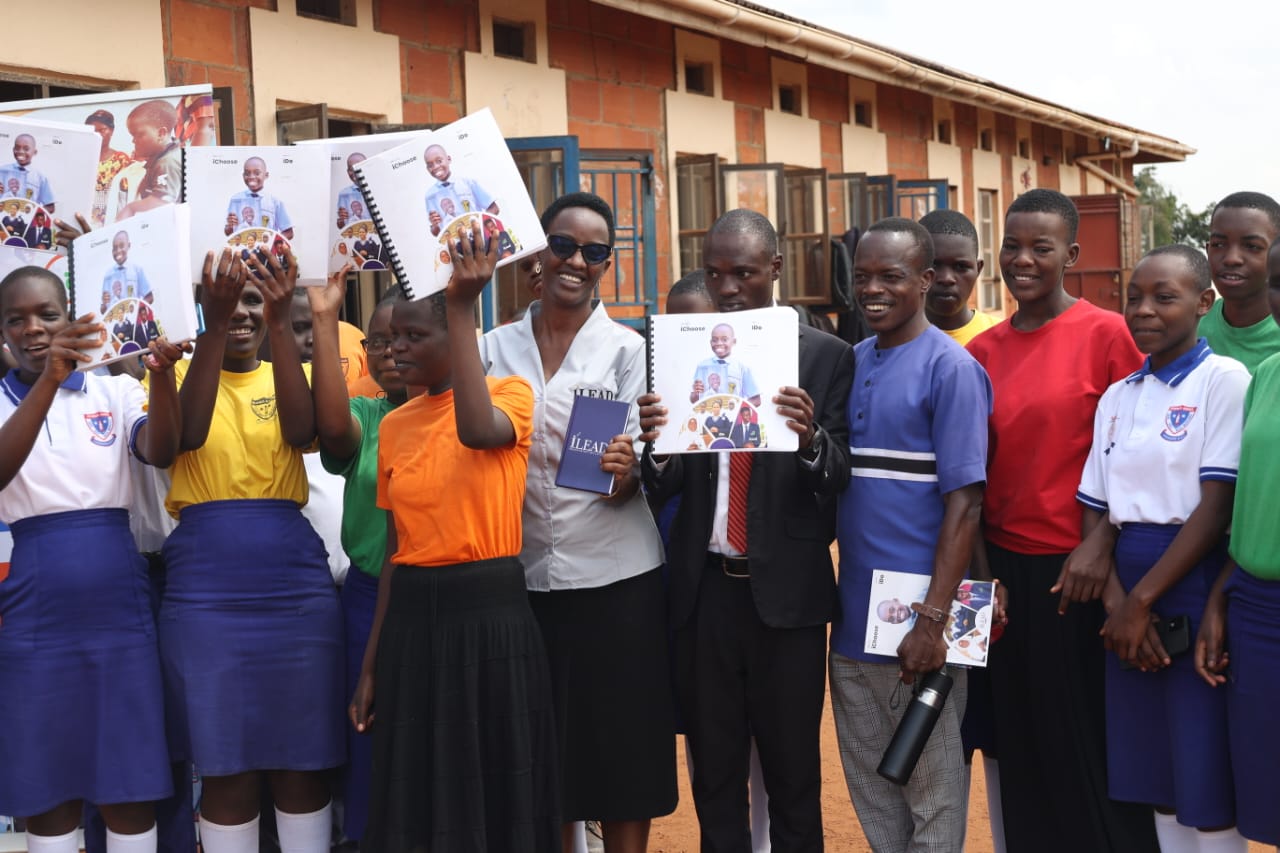
The initiative, implemented in partnership with the Kampala Disability Foundation (KDF), extends the values-based iLEAD Uganda programme to students with disabilities, ensuring they are equipped with leadership, character and life skills alongside their academic education.
The iLEAD Uganda project is a transformative youth leadership initiative developed in partnership with the Maxwell Leadership Foundation and operating under the patronage of First Lady Janet Museveni. The programme equips learners in Ugandan primary and secondary schools with critical leadership competencies through a structured three-tier curriculum that combines character development with practical leadership skills.
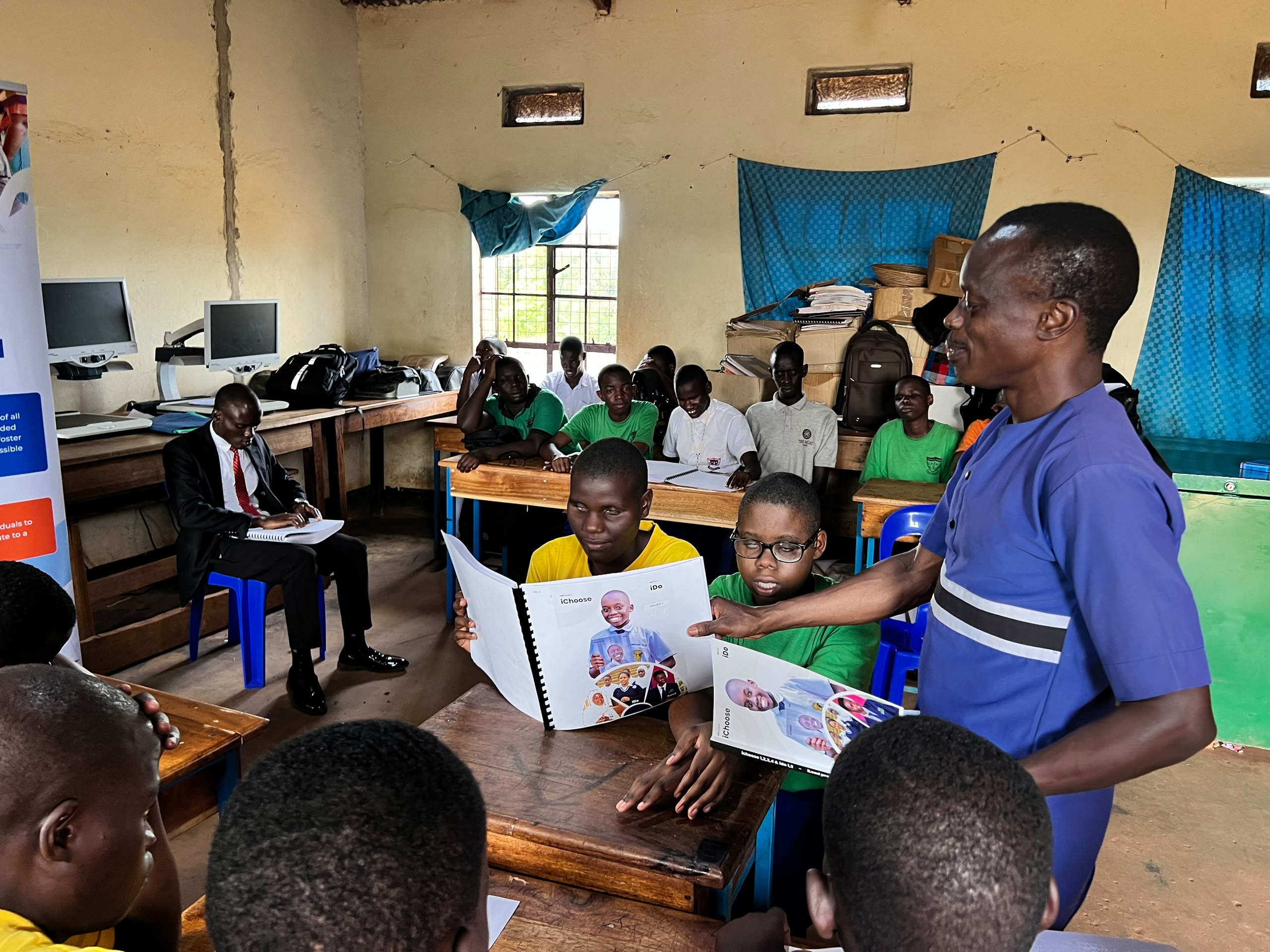
The curriculum comprises three progressive pillars—iChoose, iDo, and iLead—each consisting of 16 weekly lessons delivered through small-group, round-table sessions that connect values, actions and influence to leadership. Altogether, learners complete 48 lessons over two years.
Currently targeting secondary school students, iLEAD Uganda is being piloted in districts including Kampala and Wakiso, with plans to reach tens of thousands of young people and nurture a generation of principled and visionary leaders.
Speaking during the launch, the Programme iLEAD Uganda Mulungi Judith said the programme was designed to ensure that no learner is left behind, regardless of ability.
Judith explained that the curriculum focuses on universal soft skills essential for success in life.
“Values are things that you do that make you survive in life, whether educated or not educated. Anyone who is educated, anyone who is not educated, requires soft skills,” she said.
She said the programme would begin with Senior One and Senior Two learners, while Senior Three to Senior Six students would serve as peer mentors to ensure continuity throughout the school.
“This is the first school in Uganda to start learning iLEAD lessons using grades. You are going to be in iLEAD history,” Judith told the students, noting that the programme forms part of the global Maxwell Leadership Foundation initiative operating under the patronage of First Lady Janet Museveni.
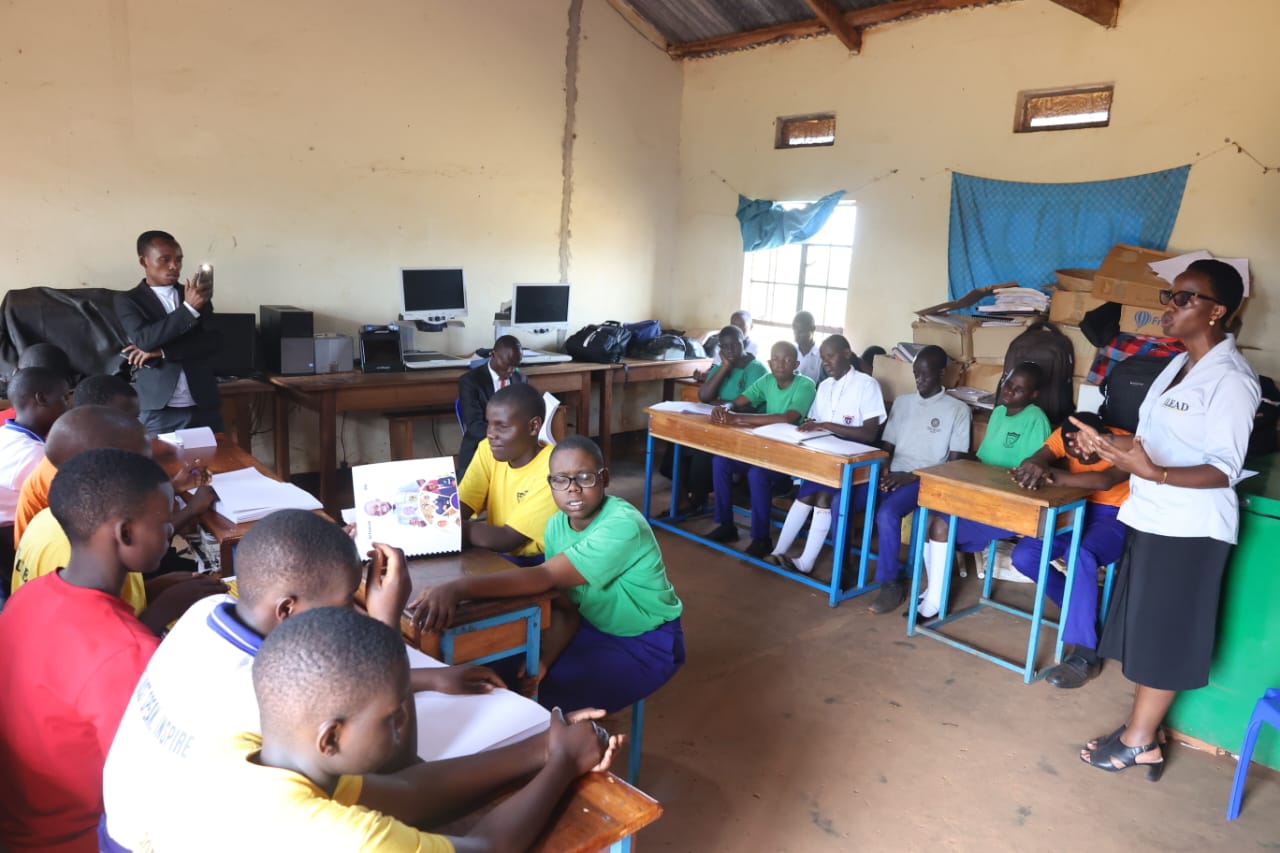
Founder and Team Leader of Kampala Disability Foundation, Patrick Wasaja, said the partnership was born out of the need to bridge a long-standing gap in leadership training for learners with disabilities.
“Across the world, the iLEAD programme has been conducted. But you find that in schools of students with disabilities, the iLEAD project has not been there. So we approached them and said we need to bring this project to our students,” Wasaja said.
He noted that although Uganda has leaders with disabilities serving in Parliament and other government institutions, many have never had the opportunity to undergo structured leadership training.
“So, this project basically targets young people with disability to be the leaders of tomorrow,” he said.
Wasaja added that through KDF’s disability awareness programmes, the organisation seeks to ensure that persons with disabilities are recognised for their abilities rather than their limitations.
St. Apollo Kaggwa Secondary School Headteacher Wadimba Deogratius welcomed the programme, describing it as consistent with the school’s commitment to holistic education.
“Leadership skills, we take them to be life skills because they equip our children with the ability to compete for opportunities, to manage themselves, to manage others, and also to overcome situations,” he said.
Wadimba observed that many learners at the school come from rural peasant farming families with limited access to leadership development opportunities.
“Our learners are basically rural children from peasant farmers, and these opportunities are not common. So for us, it’s a godsend to be considered as a school to participate in this. We are very proud,” he said.
He revealed that the school had already designated a team of teachers and allocated time within the school timetable to facilitate the iLEAD lessons.
“As management, we are determined to give support in whichever way possible to this programme, so that it is a success,” he added.
Head of the Special Needs Unit, Mambo Michael, said the programme complements Uganda’s competency-based curriculum, which places learners at the centre of the learning process.
“The learning is usually centered on methods that involve learner participation. Learners have to participate in every activity. They rely on the use of Braille, large print, objects and tactile methods where they’re able to touch and feel shapes,” he explained.
Michael said the programme would help address stigma and low self-esteem that many learners with visual impairments continue to experience.
“It empowers them in how they present their issues before others, and how they’re able to overcome the stereotype that comes from homes where somebody with blindness cannot be able to succeed in life,” he said.
He noted that the programme’s small learning groups of not more than 6 to 8 students would enhance participation and improve access to learning materials.
Michael further called for the model to be expanded to learners with other forms of disabilities.
“If it can be scaled from visual impairment also to incorporate other forms of impairments, it is going to be so inclusive and it will support the preparation of these learners with life skills to make them independent at school and in their communities,” he said.
Atuhairwe Susan, the prefect of special needs education, described herself and her colleagues as privileged to have been the first to benefit from the programme and reflected on the lesson of choice.
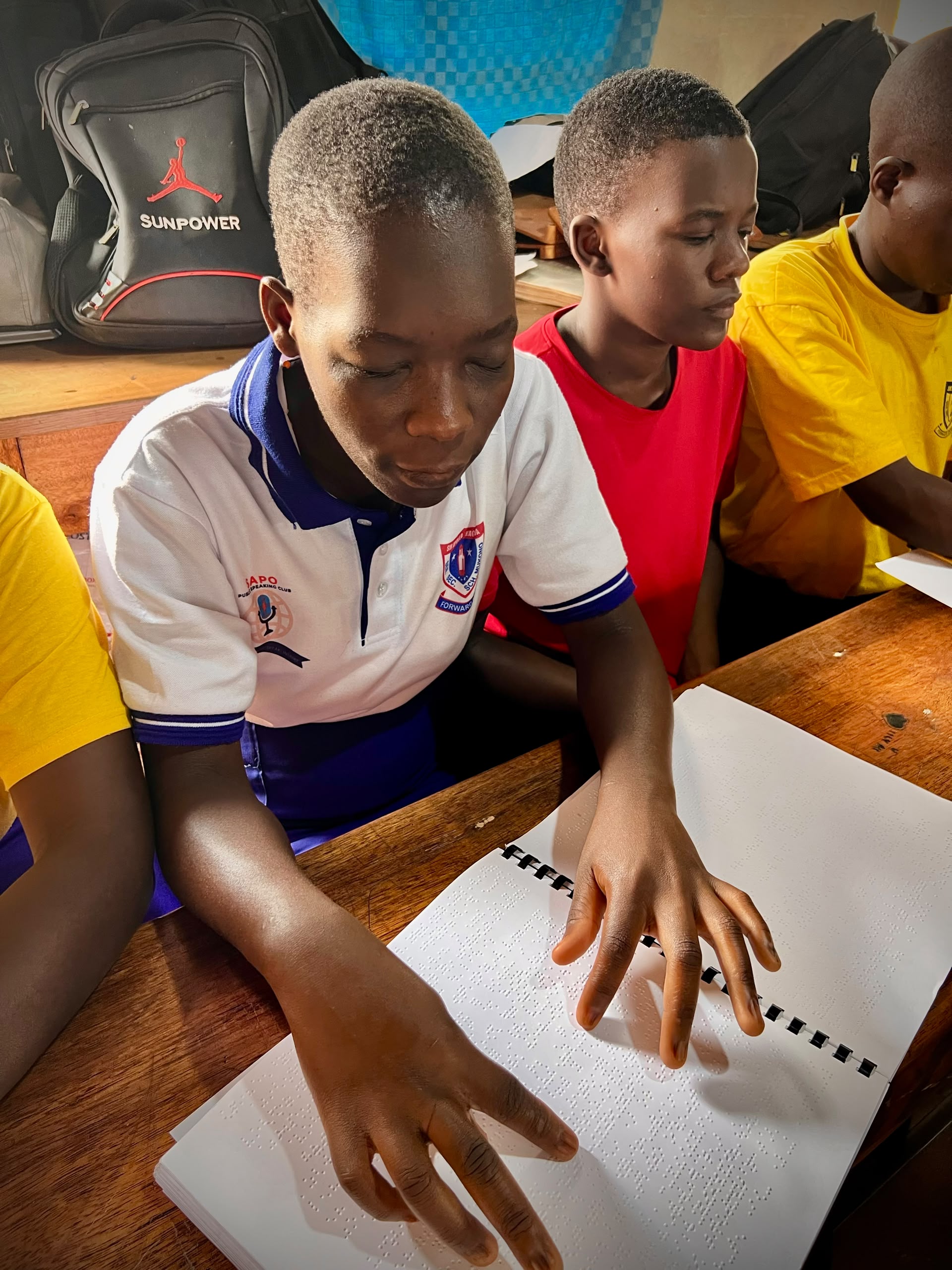
“We have learnt from the material shared by iLEAD that choices are a gift. Since they are a gift, we should always take part in making them. And while we are making choices, we have to make choices which are appropriate,” she observed.
Susan acknowledges that some realities in life cannot be chosen but rather we should learn to accept and live with them.
“In this world life, for certain things you have no choice. No one can choose his or her parents, or even their body ability before birth.” she shared.
The launch concluded with the formal onboarding of Senior One and Senior Two students into the iLEAD programme.
Learners were introduced to the curriculum’s leadership and life-skills modules, received learning materials and were organised into mentorship groups, marking the official start of practical leadership training aimed at building confidence, self-esteem and inclusive leadership among visually impaired learners.
Through the partnership, iLEAD Uganda will leverage Kampala Disability Foundation’s network of more than 50 schools to scale the inclusive leadership curriculum across the country, extending leadership development opportunities to thousands more learners with disabilities.
